Transmission problems do not always come with a clear warning that says exactly what is wrong. Some vehicles display a transmission temperature warning, while others turn on the check engine light or show a general transmission fault message. Many cars have no dedicated low transmission fluid light at all.
That means the driver often notices a change in shifting before seeing anything useful on the dashboard. Delayed engagement, slipping, a burning smell, or fluid beneath the vehicle may be the first clues that the transmission is low on fluid or operating at an unsafe temperature.
Most Cars Do Not Have A Low Transmission Fluid Light
Engine oil systems commonly have a pressure warning, but transmission fluid monitoring works differently. Most vehicles do not use a sensor that directly measures the amount of fluid inside the transmission. The computer may recognize pressure, temperature, or shifting problems caused by low fluid, but it cannot always identify the low level itself.
A warning may appear only after the fluid shortage has already affected transmission operation. The check engine light, a gear-shaped symbol, or a message such as transmission fault may show up, depending on the vehicle. Some cars never display a warning before slipping or delayed shifting begins.
Transmission Overheating May Trigger A Warning
Many newer vehicles monitor transmission fluid temperature. If the temperature rises too high, the dashboard may display a warning light or message. The vehicle may also enter a protective mode that limits power, changes shift behavior, or keeps the transmission in one gear.
Older vehicles may not provide a dedicated temperature warning. The driver might notice a hot or burnt smell, harsh shifting, slipping, or hesitation instead. By the time these symptoms become strong, the fluid may already have been exposed to damaging heat.
Low Fluid Can Cause The Transmission To Overheat
Transmission fluid lubricates moving parts, carries away heat, and provides the hydraulic pressure needed for gear changes. When the level drops, the pump may draw air along with the fluid. That can reduce pressure and create poor lubrication inside the transmission.
The remaining fluid also has to absorb more heat because there is less of it circulating through the system. A small leak that seems harmless can eventually lead to slipping, clutch damage, and overheating, especially during traffic, towing, hills, or hot weather.
Warning Signs Before A Dashboard Light Appears
Transmission trouble may begin with changes that are easy to overlook. Paying attention to these early clues can help prevent a larger repair.
- The vehicle hesitates before moving after you select drive or reverse.
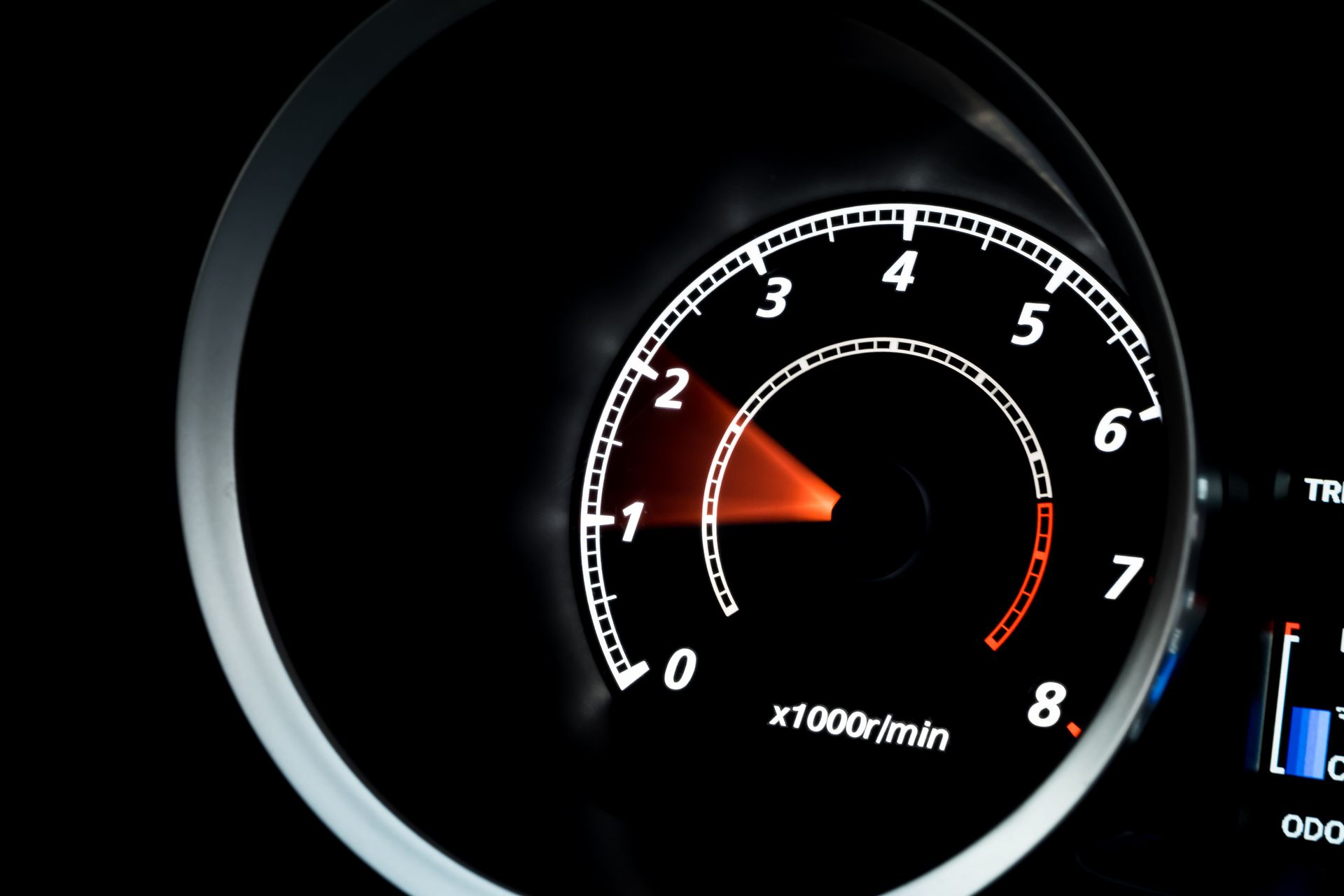
- Engine RPM rises, but the car does not accelerate at the expected rate.
- Gear changes feel harsh, delayed, or inconsistent.
- The transmission shudders during light acceleration.
- A whining or humming noise changes with gear selection.
- A reddish or brown fluid spot appears beneath the vehicle.
- A burnt odor develops after driving.
These symptoms do not always prove that the fluid is low. Solenoids, sensors, mounts, valve body wear, and internal damage can produce similar behavior, so testing is needed before deciding on the repair.
Why Transmission Fluid Becomes Low
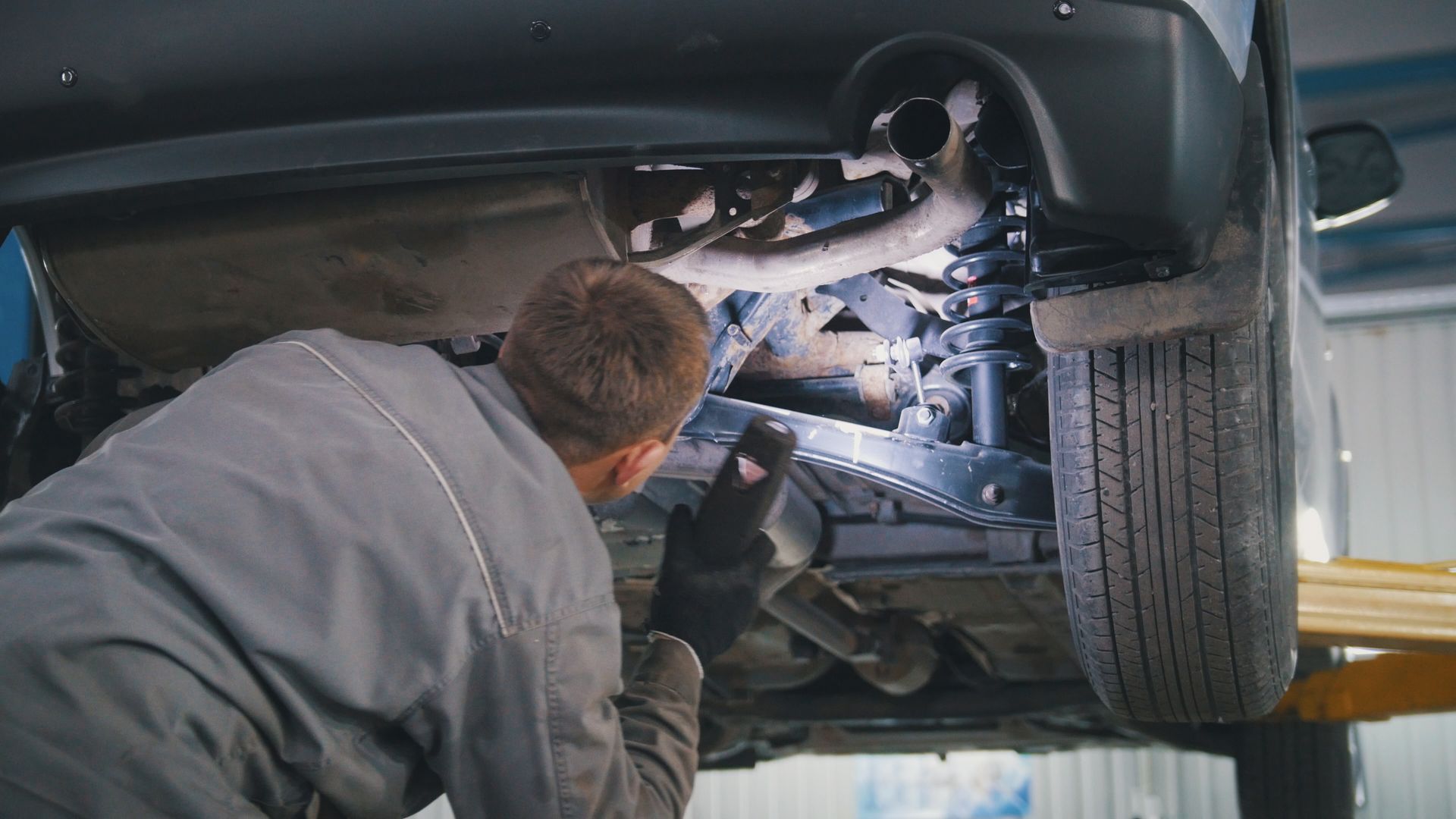
Transmission fluid normally stays within a sealed system, so a low level usually indicates a leak. Common leak areas include the pan gasket, cooler lines, axle seals, output shaft seals, electrical connector sleeves, and fittings near the radiator or transmission cooler.
Some leaks only appear while the engine is running and fluid is circulating under pressure. Others spread across the underbody, making the source difficult to see from the puddle location. An inspection can trace fresh fluid back to the failed seal, hose, or connection.
What Happens When Transmission Fluid Gets Too Hot
Excessive heat causes transmission fluid to break down faster. It can lose its ability to lubricate, control friction, and protect seals. Dark color and a burnt smell often indicate that the fluid has been exposed to high temperatures for too long.
Heat also damages internal clutches, seals, wiring, and electronic components. Repeated overheating can turn a cooling or fluid-level concern into a transmission failure. If the dashboard displays an overheating message, continuing to push the vehicle can make the damage much worse.
Can You Keep Driving After A Warning Appears?
If the vehicle displays a transmission temperature warning, pull over safely and allow the drivetrain to cool. Avoid towing, hard acceleration, or climbing steep grades. Follow the instructions in the owner’s manual, since some vehicles provide a specific procedure when the warning appears.
Do not continue driving if the transmission slips badly, will not engage, leaks fluid rapidly, or produces smoke or a strong burnt odor. A short drive with a minor symptom can become an expensive failure if the transmission loses pressure or overheats completely.
How Fluid Is Checked Without A Dipstick
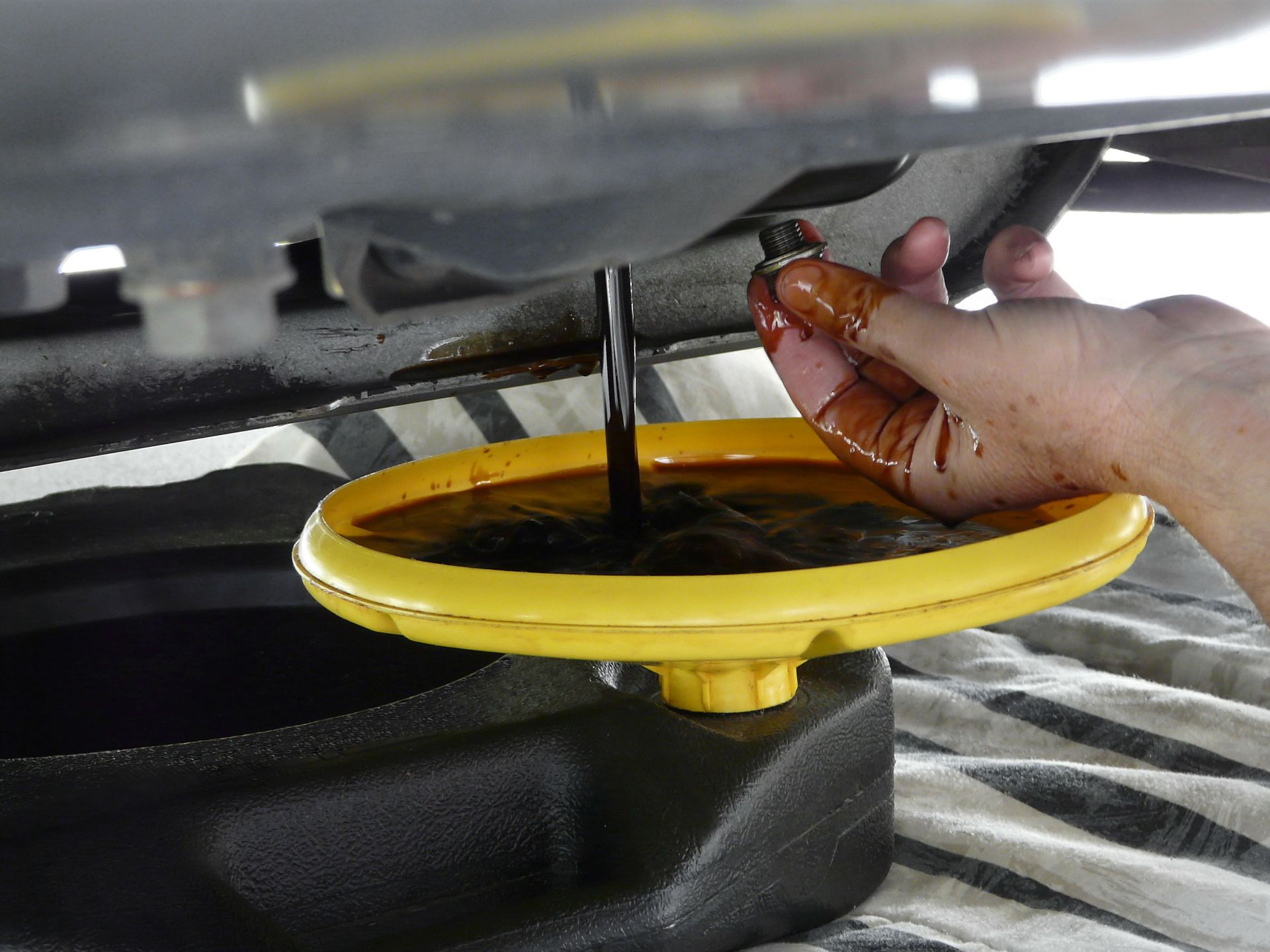
Many modern vehicles no longer have a transmission dipstick. The fluid level may need to be checked through a plug under the vehicle while the transmission is at a specific temperature. The engine may need to be running, the vehicle must be level, and a scan tool may be used to confirm fluid temperature.
Using the wrong procedure can leave the transmission underfilled or overfilled. The exact fluid specification is also critical. Regular maintenance should follow the requirements for that transmission rather than relying on fluid color or a universal service interval.
Get Transmission Warning Light Diagnostics In Toms River, NJ, With PRO-CAT Auto Care & Repair
If your vehicle has a transmission warning, delayed shifting, slipping, fluid leakage, or a burnt smell, PRO-CAT Auto Care & Repair in Toms River, NJ, can check the fluid level, temperature, leaks, stored codes, and transmission operation.