Oil change reminders are easy to push aside. The car still starts. The engine sounds normal enough. Nothing on the driveway looks scary, and the next free afternoon keeps getting moved to next week.
The problem is that engine oil does important work long before there is an obvious symptom. It lubricates, cools, cleans, and helps protect moving parts that are under heat and pressure every time you drive. When oil and the filter stay in service too long, the engine does not fail all at once. It gets dirtier, hotter, and less protected one mile at a time.
Old Oil Loses Its Ability To Protect
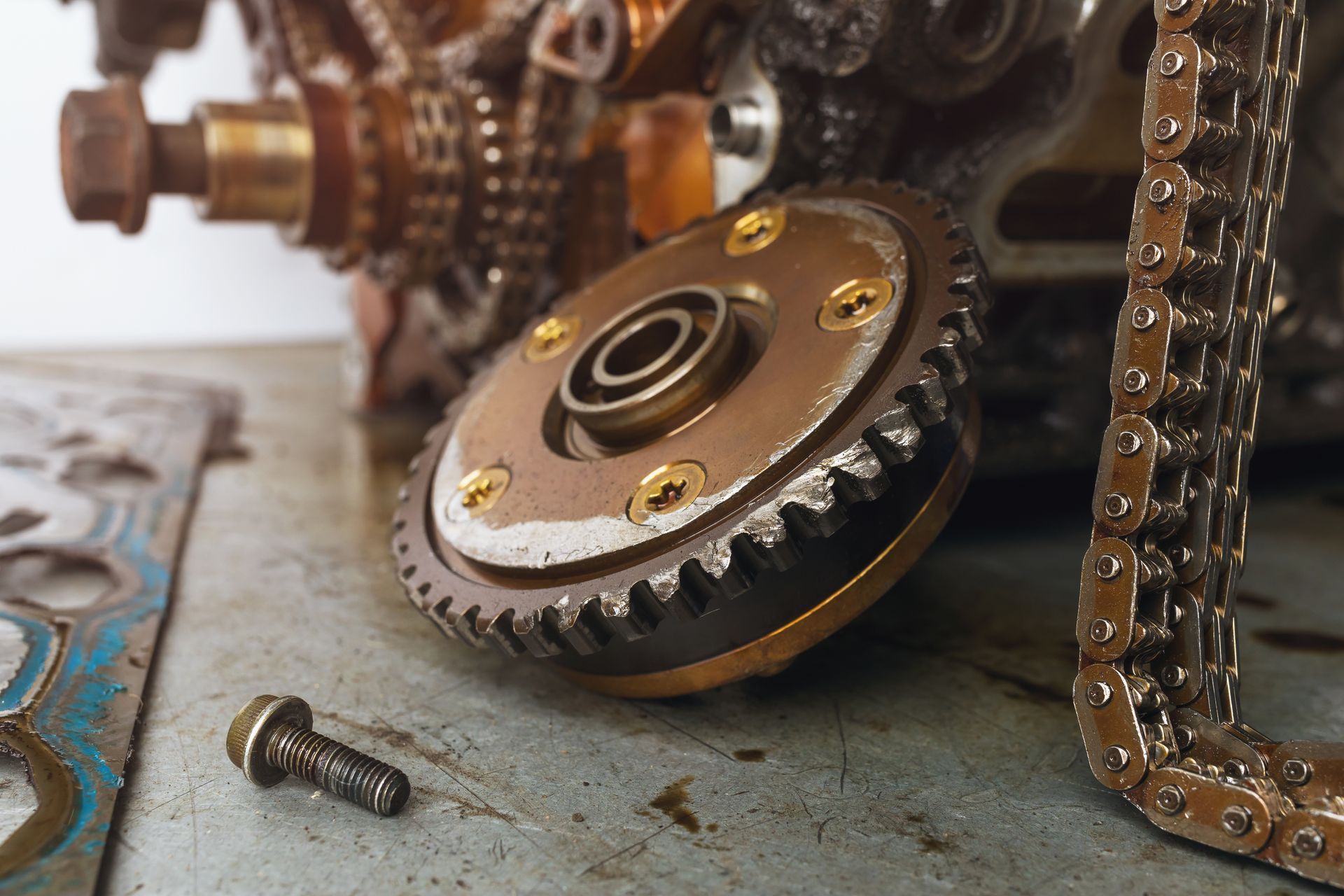
Fresh engine oil is designed to flow through tight spaces and leave a protective film between moving metal parts. Pistons, camshafts, timing components, bearings, and other internal parts depend on that thin layer to reduce friction.
As oil ages, heat breaks it down. It can become thicker, dirtier, and less able to move quickly through the engine. Additives that help fight wear, corrosion, and sludge also lose strength. The engine may still run, but it is using oil that no longer protects it as it should.
The Oil Filter Can Become Restricted
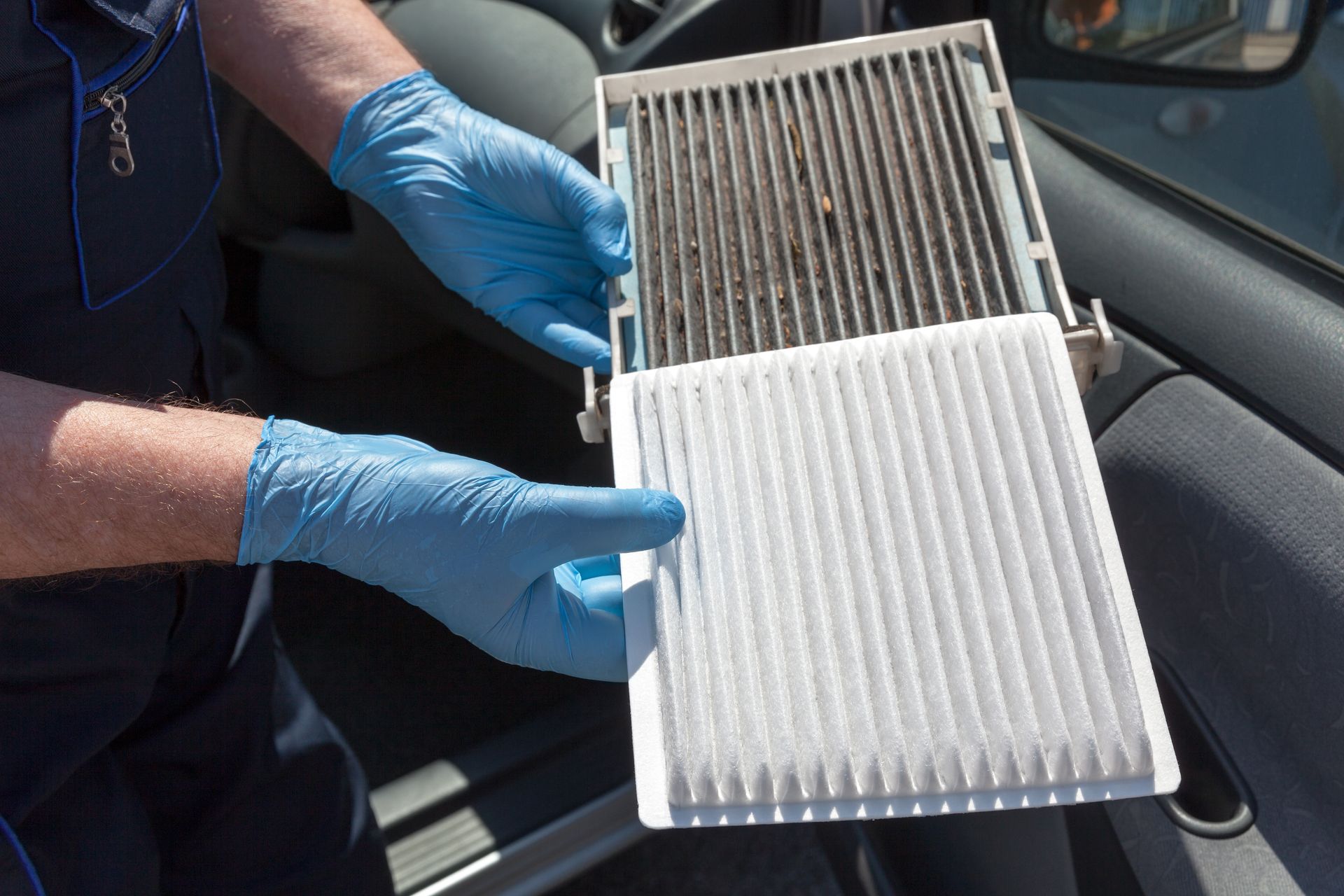
The oil filter catches dirt, metal particles, and other debris as oil circulates. That is good, but the filter has limits. If it stays on too long, it can become packed with contamination and restrict flow.
When oil flow is restricted, the engine may not get clean oil where it needs it fast enough. Some filters have a bypass valve that allows oil to keep flowing when the filter is too restrictive, but that oil may not be fully filtered. Either way, an overdue oil change and filter service can leave the engine with dirty oil or reduced protection.
Sludge Can Start Building Inside The Engine
Sludge is a thick, sticky buildup that forms when old oil, heat, moisture, and contamination collect inside the engine. Short trips can make this worse because the engine may not stay hot long enough to burn off moisture. Stop-and-go driving can add heat stress, too.
Sludge can collect in oil passages, around valve train parts, and in areas where oil needs to drain back properly. Once it builds up, it can be difficult to clean out completely. Regular maintenance is much easier than dealing with a neglected engine that has years of buildup inside.
Engine Heat Can Become A Bigger Problem
Oil does more than lubricate. It also helps carry heat away from internal engine parts. When oil is old, low, or dirty, it cannot manage heat as well. More friction creates more heat, which breaks the oil down faster.
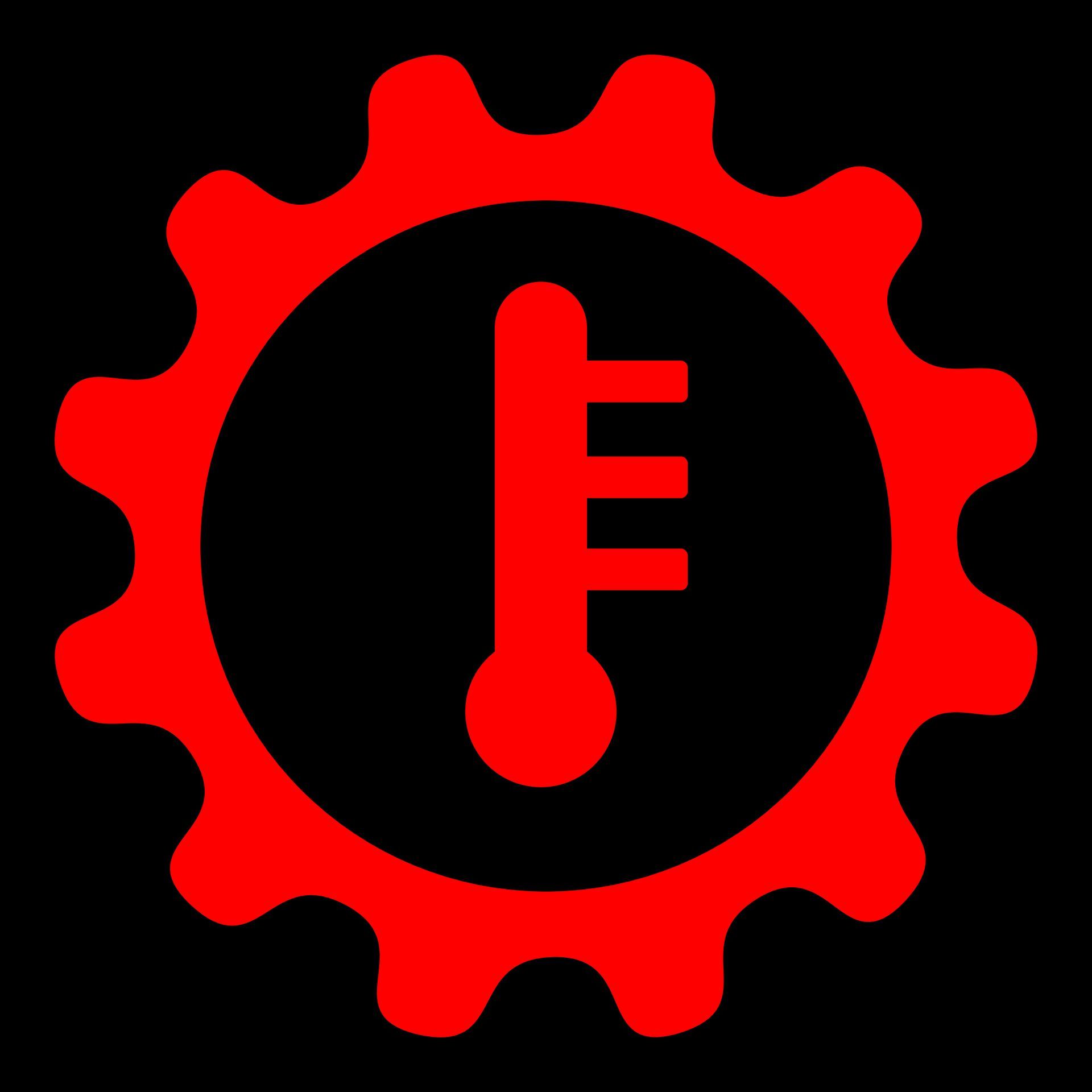
That cycle is hard on the engine. You might notice a hot oil smell, a ticking noise, a rougher operation, or a temperature gauge that seems less stable than before. Those signs should not be ignored. Heat can damage seals, gaskets, bearings, and timing components if the problem continues.
Small Noises Can Turn Into Expensive Repairs
Some overdue oil problems start with sounds. A light ticking at startup, a tapping sound from the top of the engine, or a deeper knocking noise can mean parts are not getting proper lubrication. Sometimes the noise fades after the engine warms up. That does not make it harmless.
Low oil pressure, dirty oil, or worn parts can all create noise. Once internal engine wear begins, an oil change may help, but it cannot always undo the damage. That is why waiting for noise before scheduling service is a risky way to handle oil care.
Warning Lights May Show Up Late
The oil pressure light is one of the warning lights drivers should take seriously. It does not simply mean the oil is dirty or due for service. It usually means the engine may not have enough oil pressure, which can become serious quickly.
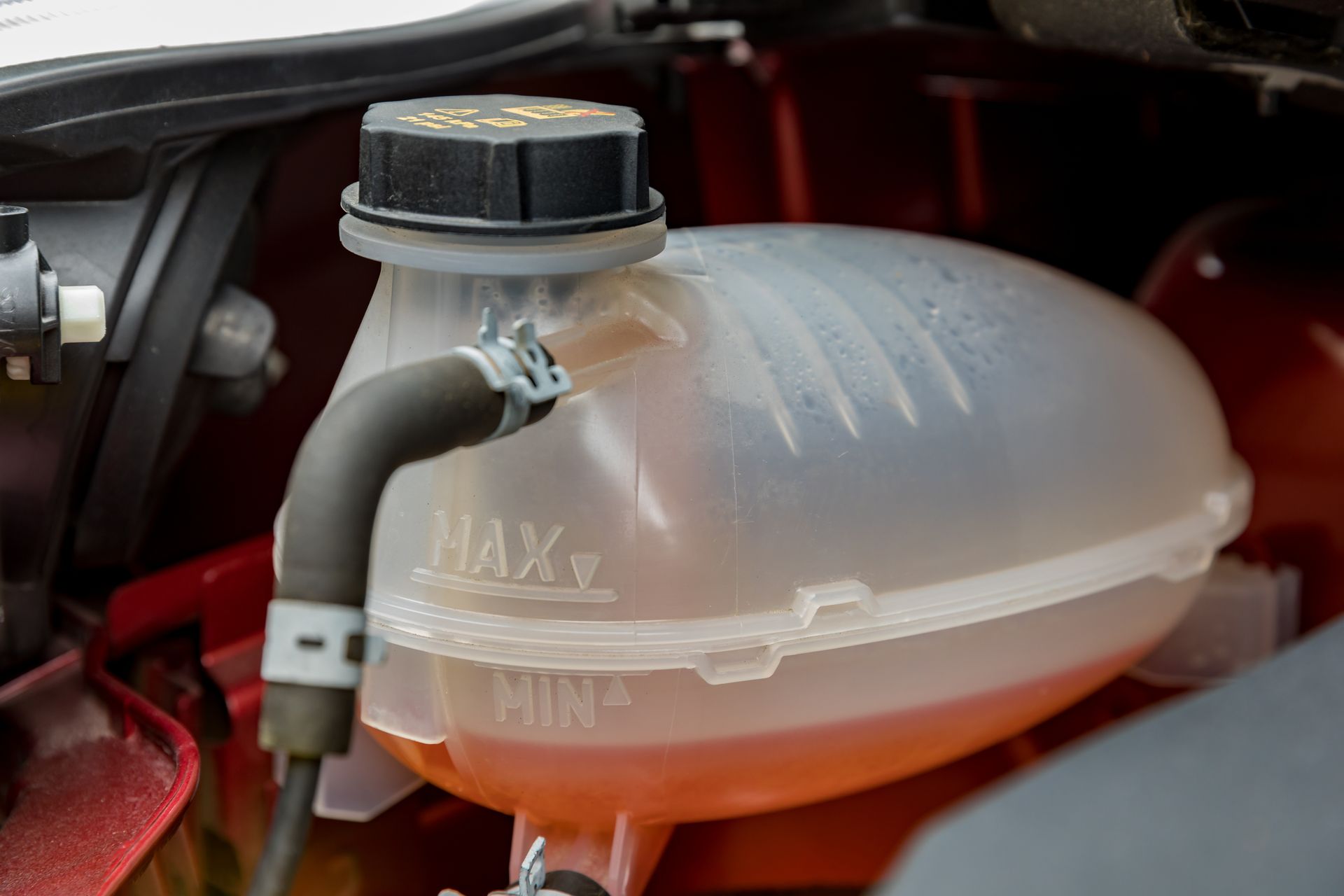
The maintenance reminder is different. It is there to help you service the vehicle before a pressure issue occurs. If you wait until the oil pressure light comes on, the engine may already be in a more dangerous situation. A quick inspection can confirm oil level, oil condition, leaks, filter condition, and whether the engine is safe to run.
Skipping Oil Service Can Affect Fuel Economy And Performance
Old oil can make the engine work harder. Thick or contaminated oil creates more drag inside the engine, especially during startup and cold weather. The difference may not feel huge at first, but the vehicle can lose some responsiveness and fuel economy.
Some modern engines are especially sensitive to oil condition because oil helps operate variable valve timing systems and other internal controls. Dirty oil can affect how those systems respond. That can lead to rough idle, sluggish acceleration, warning lights, or an engine that feels off without a clear cause.
Why The Filter Should Be Changed With The Oil
Changing the oil but leaving the old filter in place defeats part of the purpose. The filter has already spent miles collecting debris. Fresh oil should not be sent through a filter that may be dirty, restricted, or near the end of its service life.
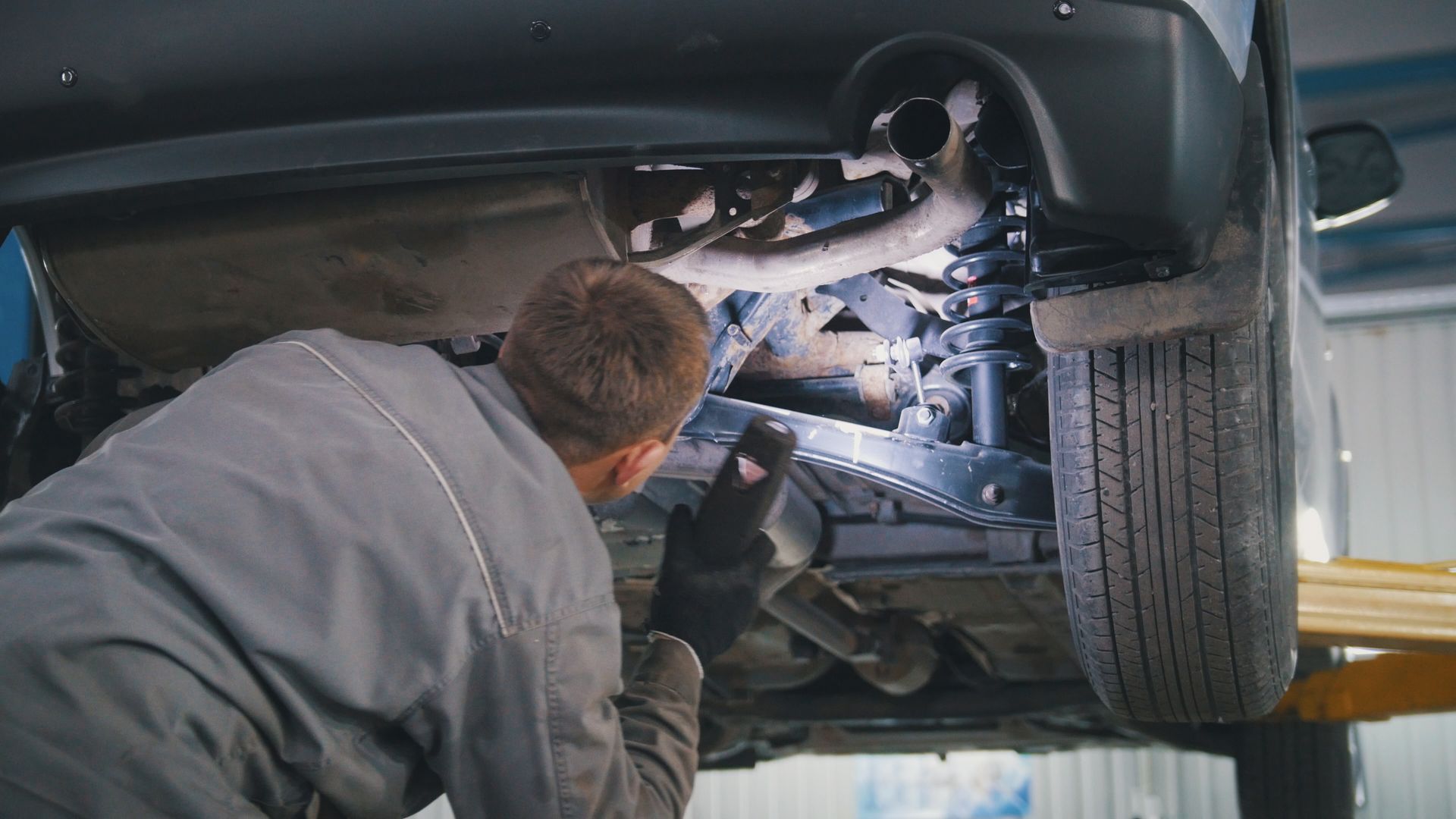
A proper oil change and filter service provides the engine with clean oil and a clean path for it to circulate. The visit is also a good time to check for leaks, worn belts, low fluids, tire concerns, and other small issues that are easy to miss from the driver’s seat.
Get Oil Change And Filter Service In Toms River, NJ, With PRO-CAT Auto Care & Repair
If your oil change is overdue, your maintenance reminder is on, or you are not sure when the filter was last replaced, PRO-CAT Auto Care & Repair in Toms River, NJ, can help you get the engine back on schedule.
For oil change and filter service with a clear inspection, contact us to schedule an appointment.