The Prius has been around long enough that you can almost tell the generation just by looking at the body shape. Underneath those different designs, Toyota kept the same basic hybrid idea but changed engines, batteries, and electronics with each redesign.
Those changes affect how the car drives, how efficient it is, and which repairs are most likely as the miles add up.
Why Prius Generations Matter for Maintenance
Each generation of Prius uses its own mix of engine, electric motor, battery type, and control software. That means a problem that is common on an early model may be rare on a newer one, and vice versa. Knowing which version you drive helps you make sense of online advice and repair stories you hear from other owners.
From a technician’s viewpoint, we think of the Prius in “generations” because it guides what we check first. A second generation with a brake complaint gets a slightly different initial inspection than a fourth generation with the same symptom. The more we tailor the inspection to the exact model, the less time and money you spend chasing guesses.
How the First Prius Models Differed from Later Hybrids
The earliest Prius models introduced the hybrid idea to a lot of drivers. They used a smaller gasoline engine and an electric motor driven by a planetary gearset, with a relatively simple battery pack and cooling system by today’s standards.
Common talking points with those early cars include:
- Modest power compared with newer generations, especially on steep hills
- Early hybrid battery designs that are now aging, so pack health is a frequent concern
- Simpler cabins and fewer electronic features, which can make some repairs easier
Many of these cars are still on the road, but at this age, you are often dealing with age-related issues on top of mileage, especially in batteries, cooling components, and suspension.
Second and Third Generation Prius: More Power, New Weak Spots
The second and third generations are what most people picture when they think of a Prius. Power went up, fuel economy improved, and the interior became more comfortable and tech-heavy. Toyota refined the hybrid system, added features, and made the car feel more like a mainstream daily driver.
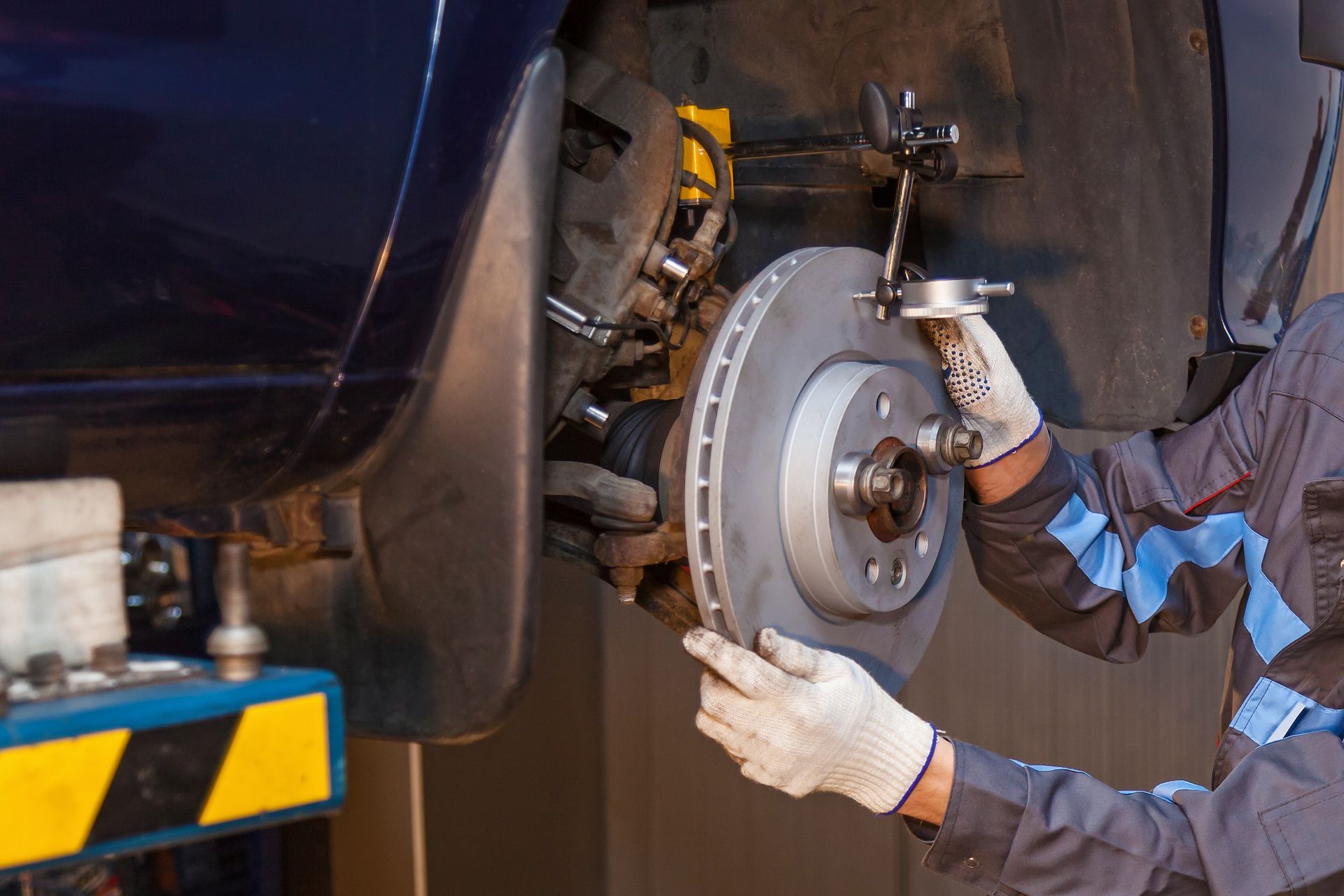
These models also brought their own typical patterns. Third generation engines are known for carbon buildup in the EGR passages and, in some cases, head gasket concerns at higher mileage. Brake actuators and ABS components show up more often in repair conversations on these cars than on earlier models. As mileage climbs, we pay close attention to noises, braking feel, and cooling system behavior when we inspect them.
Fourth Generation Prius and Newer: What Changed Again
With the fourth generation, Toyota reshaped the body, revised the suspension, and updated the hybrid system once more. Ride quality improved, handling became a little sharper, and the cabin gained more screens and driver aids. The hybrid battery designs were updated again, with some trims using lithium-ion packs.
Newer cars often spread wear differently. Instead of classic age-related battery failures, you may see more issues tied to sensors, driver assistance systems, and infotainment components as the vehicle ages. Simple things like keeping the battery fan clean and staying current on software updates help this generation stay reliable.
Common Prius Repairs by Generation
While every car has its own story, we do see trends when the same models pass through the shop:
- Early generations: hybrid battery pack replacement, cooling system leaks, worn suspension bushings, and aging engine seals
- Second generation: combination meter and instrument cluster issues, brake actuator concerns, wheel bearings, and battery aging on high-mileage cars
- Third generation: EGR and intake carbon buildup, head gasket problems at higher mileage, brake actuator faults, and oil consumption in some engines
- Fourth generation and newer: more sensor-related faults, battery cooling fan maintenance, and occasional issues with advanced safety system components
When we inspect your Prius, we keep these patterns in mind but still verify everything with testing. Similar symptoms can have different causes, even within the same generation.
Owner Habits That Help Prius Components Last Longer
How a Prius is driven and maintained has a big impact on which repairs show up and when. Helpful habits include:
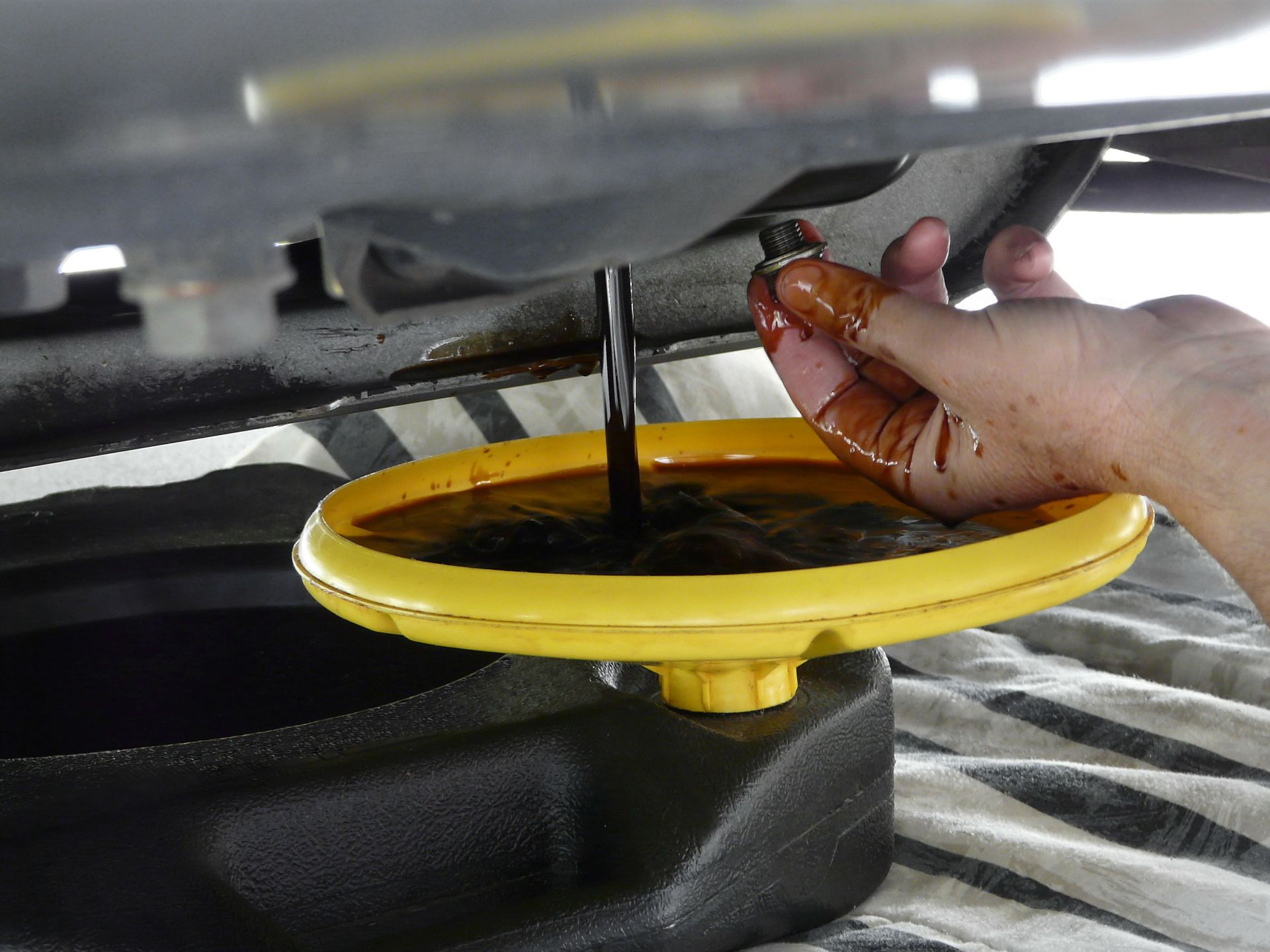
- Staying on top of oil changes with the correct grade, especially on engines known for carbon buildup
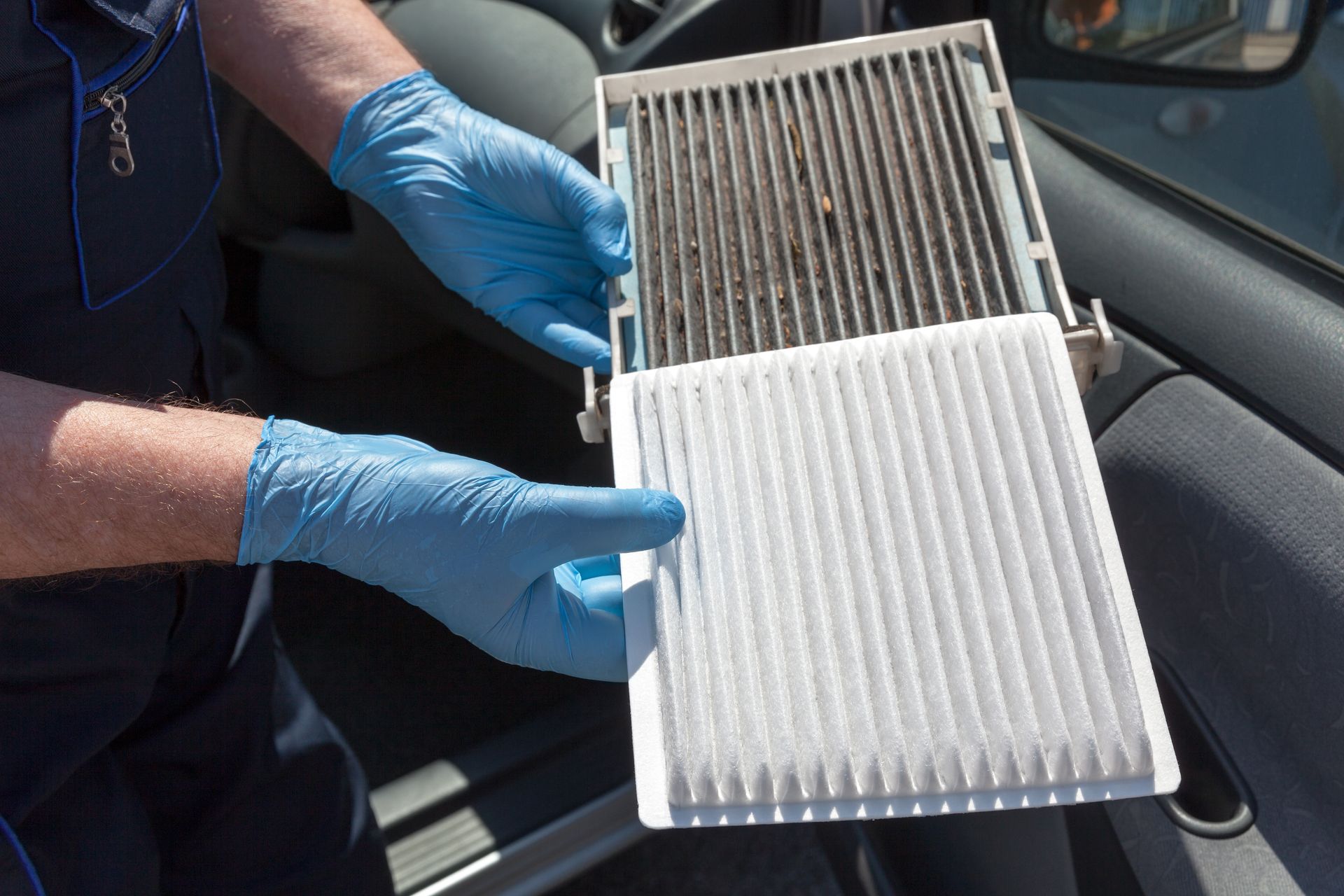
- Keeping the hybrid battery cooling intake clean and clear of dust, pet hair, and debris
- Letting the car warm up gently instead of hard acceleration right after a cold start
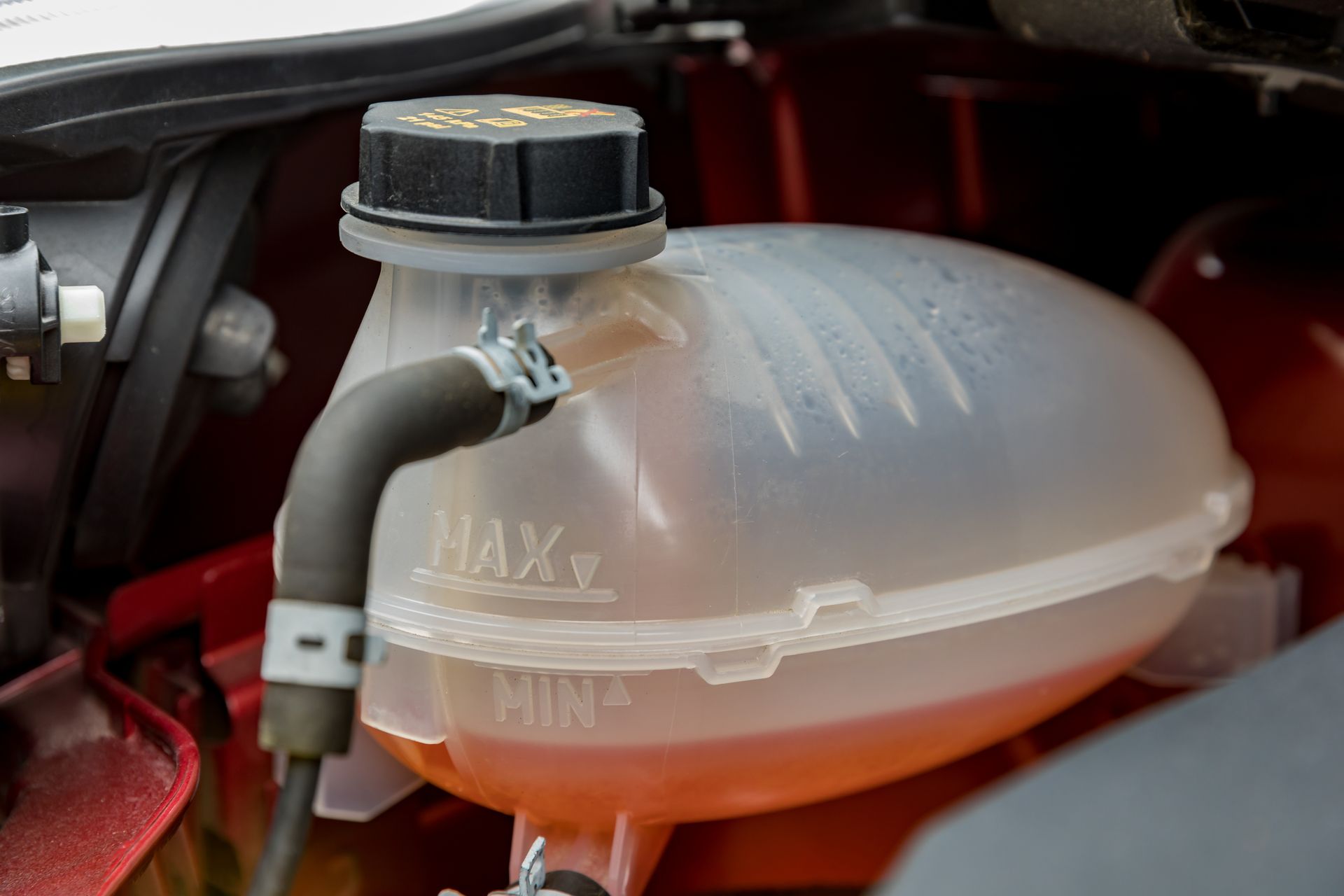
- Having brake fluid and coolant serviced at sensible intervals, even if the car “feels fine”
We have seen high-mileage Prius cars that still run very well because the basics were never skipped. Regular maintenance on these hybrids is less about chasing problems and more about keeping systems clean and cool.
When a Prius Warning Light Means You Should Not Wait
Hybrid systems are pretty good at warning you when something is off. A check engine light, master warning triangle, or hybrid system warning is your cue to take the car seriously. If the car enters a limited power mode, makes new electrical whining or grinding noises, or shows high engine temperature, it should be checked rather than driven long distances.
Even smaller signs like a sudden drop in fuel economy, a gasoline engine that runs much more often than before, or a battery gauge that swings quickly from full to low are worth mentioning during a visit. Catching issues early often keeps repairs smaller and protects expensive components like the inverter and battery pack.
Get Prius Repair in Toms River, NJ with PRO-CAT Auto Care & Repair
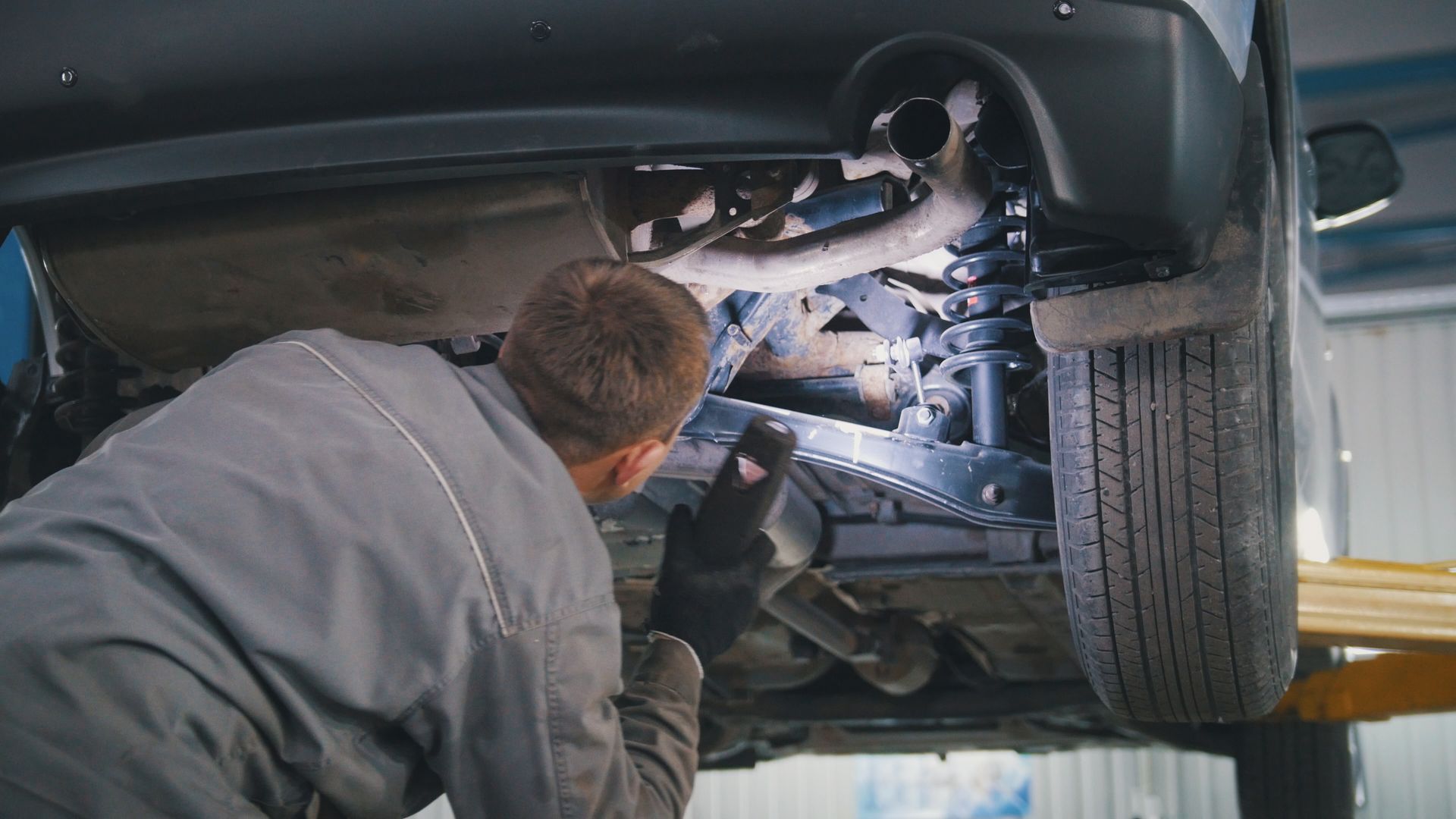
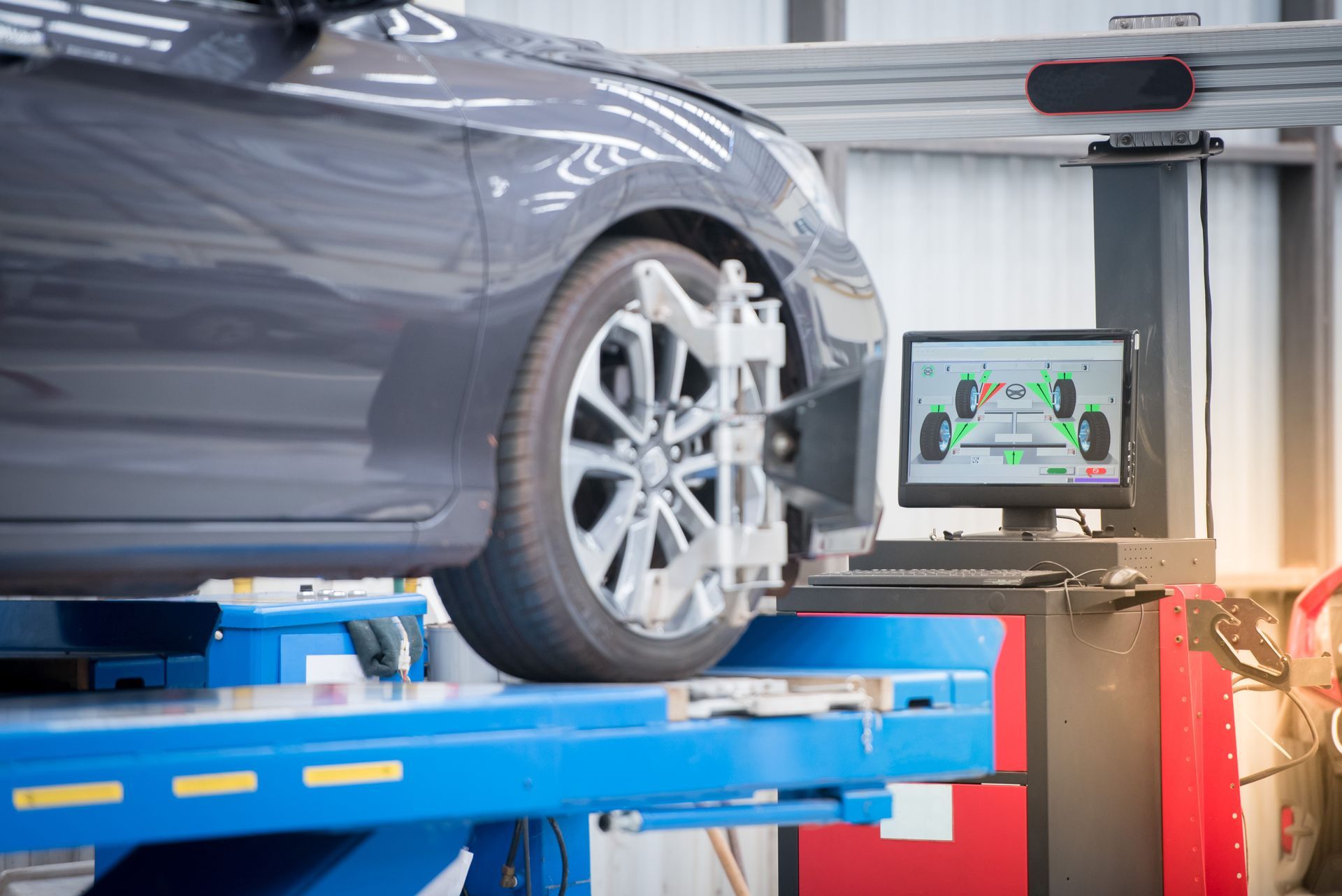
If you are unsure which generation Prius you drive or what repairs make sense at your mileage, a focused hybrid inspection can clear things up. We can look over the engine, hybrid system, brakes, and battery health, then explain what matters now and what to plan for later.
Schedule Prius repair in Toms River, NJ with
PRO-CAT Auto Care & Repair, and we will help keep your hybrid efficient, quiet, and ready for the miles ahead.