Stalling at a stoplight is one of those problems that feels bigger than it sounds. The car is fine one second, then the RPM dips, the engine coughs, and you are suddenly trying to restart while traffic stacks up behind you.
What makes it tricky is the mix of symptoms. Sometimes the RPM hunts up and down. Sometimes the engine dies only when you come to a stop. The fastest path to a real fix is understanding what systems control idle and what tends to throw them off.
Common Signs That Point To An Idle Or Stalling Problem
Most drivers notice patterns before the first stall happens. You might feel a slight shake at idle, a rough idle after a cold start, or a stumble when you roll up to a stop. In other cases the idle seems too high, then suddenly drops like the engine cannot decide where it wants to sit.
Watch for these signs because they help narrow the direction of diagnosis:
- RPM surging up and down while stopped
- The engine stumbles when you shift into Drive or Reverse
- Stalling that happens only with the A/C on or with lights and accessories running
- Hesitation right after you lift off the gas to stop
- A dashboard warning light that comes on after the stall or during surging
- A Symptom Timeline: What You Notice First And What It Turns Into
A lot of idle issues start as occasional roughness. It might happen once a week, then go away. Over time, the surging becomes more frequent, especially in traffic when the engine is constantly transitioning from throttle to idle.
Once the engine starts stalling, you can also see secondary problems. The battery is stressed by repeated restarts, the starter works harder than it should, and the catalytic converter can run hotter if the engine misfires during rough-idle moments. We have seen plenty of vehicles come in where the owner thought the stall was random, but the car had been giving small idle hints for weeks.
Airflow Problems That Can Make RPM Bounce
Idle is all about controlled airflow. When the engine is not getting the right amount of air, or the airflow measurement is off, the computer keeps correcting. That correction can look like RPM swinging high and low.
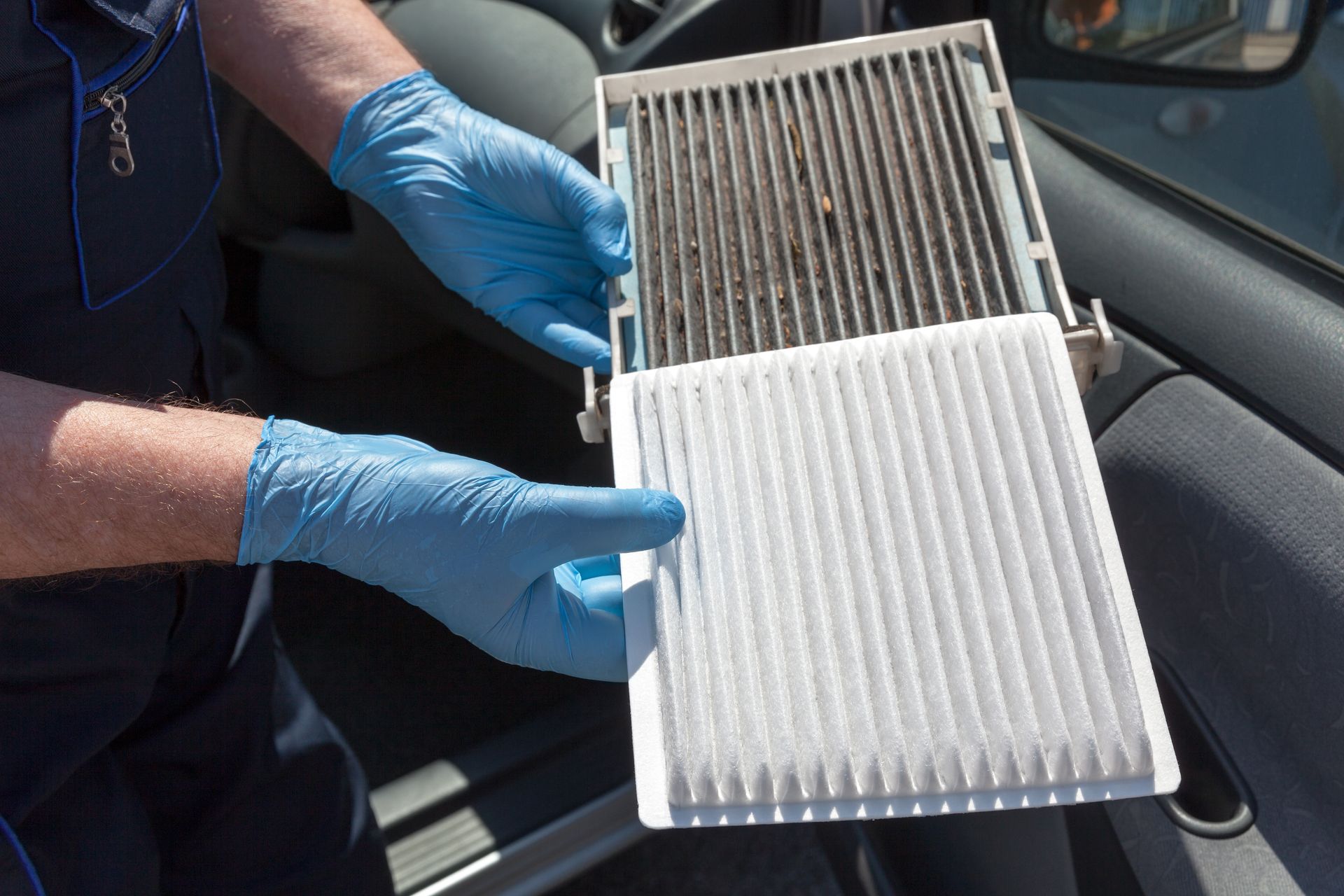
Common airflow-related culprits include a dirty throttle body, a sticking throttle plate, a vacuum leak, or a faulty mass airflow sensor. Vacuum leaks are especially sneaky because a small crack in a hose or a loose clamp can create a lean condition at idle. The engine then tries to compensate, and the RPM starts hunting.
If the RPM surges more when you first start the car or when you switch the A/C on, airflow control is often a strong suspect. Those situations change engine load quickly, and a marginal airflow system struggles most during those transitions.
Fuel Delivery Issues That Show Up At Stoplights
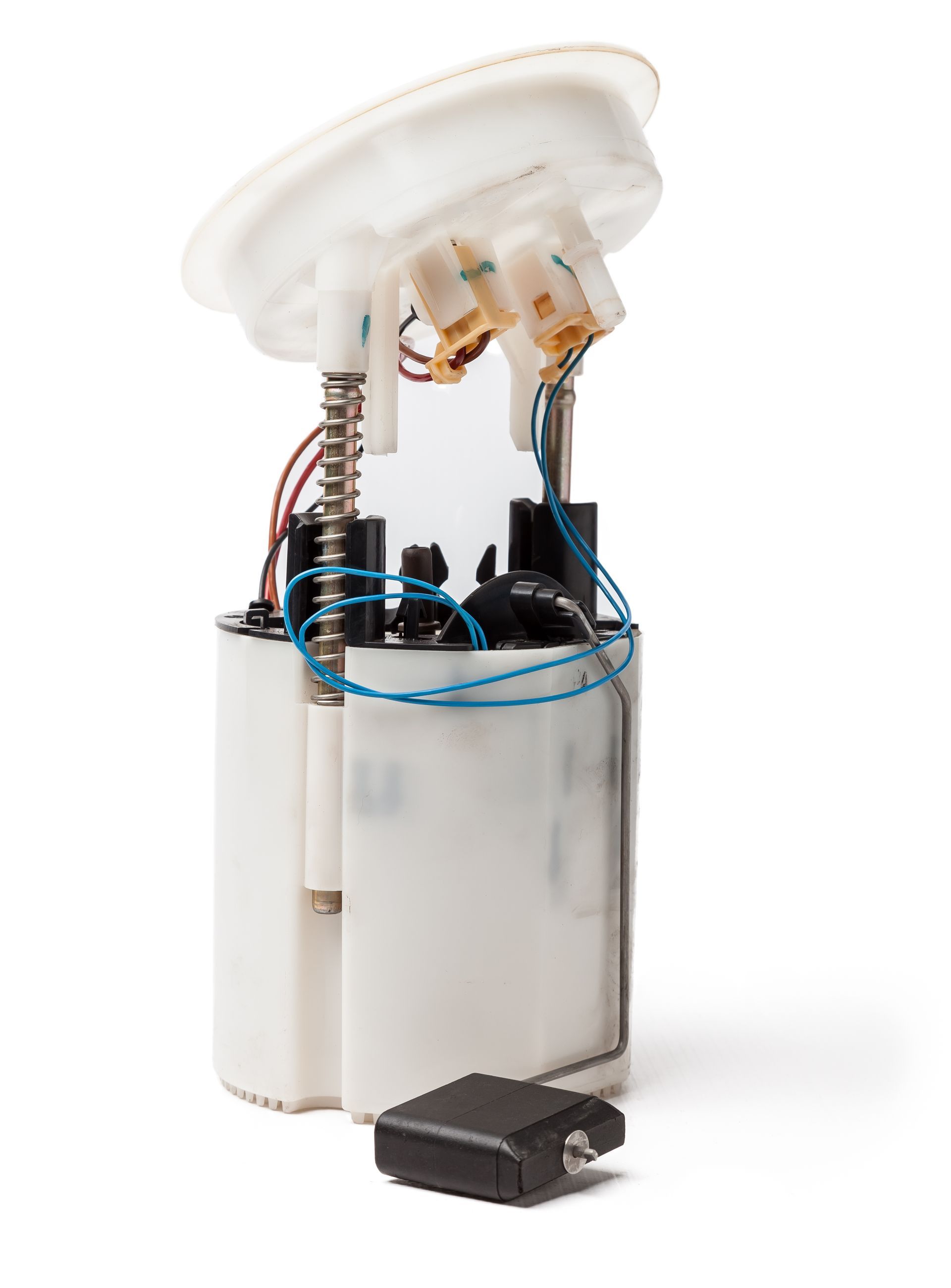
Fuel issues can also create a rough idle and stalling. A weak fuel pump, a clogged fuel filter on older setups, or dirty injectors can cause the engine to struggle when it needs a steady, consistent fuel supply at low RPM.
Sometimes the clue is how it drives when you accelerate. If the car feels fine at speed but idles poorly, fuel delivery is still possible, but airflow and sensor issues move higher on the list. If it hesitates or feels weak when you accelerate away from a stop, fuel delivery becomes more likely.
Bad fuel quality can play a role too. If the problem started right after a fill-up, that detail matters. It does not prove the cause, but it changes what we check first.
Sensors And Electrical Issues That Can Trigger Stalling
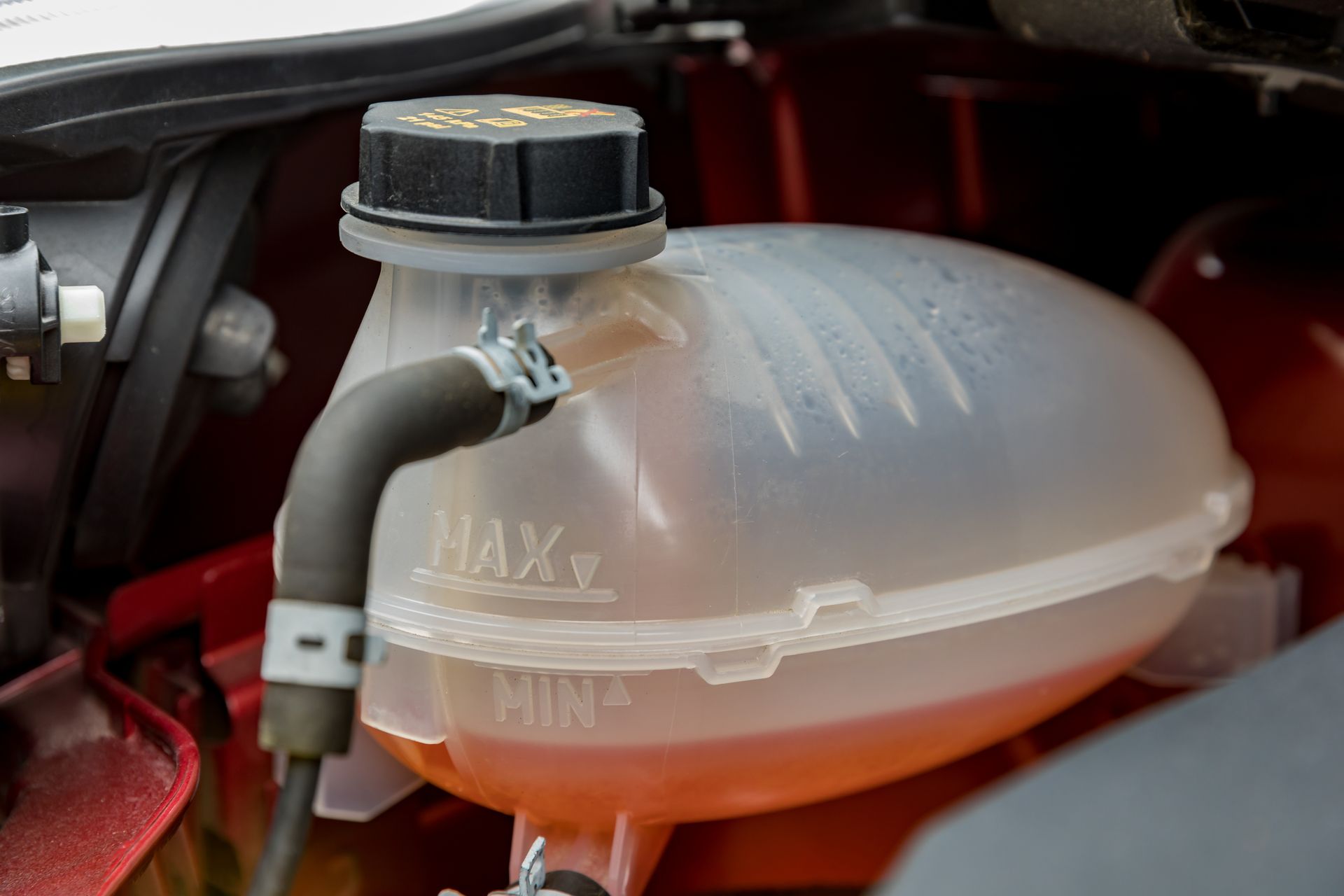
Modern engines rely on sensors to manage idle, timing, and fuel trim. When a sensor signal drops out or becomes unreliable, the idle can become unstable. A failing crankshaft position sensor, for example, can cause intermittent stalling that feels sudden. A coolant temperature sensor that reads incorrectly can change fueling at idle and create roughness.
Low voltage is another big one. A weak battery or charging issue can cause modules and sensors to behave inconsistently. If you notice dimming lights, slow cranking, or multiple dashboard warnings that appear together, it is worth checking the battery and charging health as part of the diagnosis.
What Can Make The Problem Worse
A few habits tend to push borderline idle issues into obvious stalling. Ignoring small vacuum leaks is a big one, especially when a hose crack starts small and slowly grows. Letting a check engine light sit for weeks also makes diagnosis harder because the system may store useful data early on that later gets overwritten.
Another common issue is short-trip driving. Short trips do not let the engine fully warm up, so deposits build faster in places like the throttle body and intake tract. If the car mostly does quick runs around town, idle control parts can get dirty sooner than you would expect.
What To Note Before You Bring It In
If you want this fixed quickly, a few details help a lot. Try to notice when it happens and what the car was doing right before it stalled.
- Does it stall only when you are fully stopped, or while rolling to a stop?
- Does it happen more with the A/C on, headlights on, or after rain?
- Does it restart immediately, or does it crank longer than usual?
- Did it start after a battery replacement, recent service, or a fuel fill-up?
Those clues help us focus testing and avoid wasting time chasing symptoms that are not repeatable.
Get Stalling And Idle Diagnostics in Toms River, NJ, with PRO-CAT Auto Care & Repair
We can test the systems that control idle, including airflow, fuel delivery, sensor signals, and battery and charging health. We’ll confirm the root cause, explain what we find in plain language, and recommend the repair that actually matches the symptoms.
Call
PRO-CAT Auto Care & Repair in Toms River, NJ, to schedule diagnostics and stop the stalling before it turns into a daily headache.