Suspension trouble does not always manifest as a single loud bang. Sometimes the car just starts feeling off. It leans more in turns, rides rougher than it used to, or needs fewer steering corrections on roads that used to feel easy.
That is the suspension asking for attention.
The suspension keeps the tires planted and the vehicle controlled. When parts wear, the car can still drive, but it may feel less steady, quieter, and more unpredictable. The signs below are worth taking seriously before tire wear, steering problems, or braking issues start stacking up.
1. The Car Bounces More Than It Used To
A healthy suspension should settle quickly after a bump. If the vehicle keeps bouncing, rocking, or floating after dips in the road, the shocks or struts may be worn. Drivers often notice it on familiar roads first because the same bump suddenly feels bigger than it did last year.
That extra motion is not only annoying; it's also distracting. It can reduce the grip between the tires and the road. When the tires bounce, traction changes. That can affect braking, cornering, and how confident the vehicle feels at highway speed.
We look for leaking shocks, weak struts, worn mounts, and uneven tire wear because these clues often appear together.
2. You Hear Clunks, Knocks, Or Rattles Over Bumps
Suspension noise usually means something has loosened, worn down, or lost its cushion. A clunk over a driveway entrance can point to control arm bushings, ball joints, sway bar links, or strut mounts. A lighter rattle over rough pavement can come from links or hardware that has too much movement.
Noise location helps, but it is not always perfect. A front-end sound can travel through the body and seem to come from somewhere else. The timing is more useful. Does it happen over bumps, while turning, during braking, or when backing out of a parking spot?
Those details help narrow the repair without replacing parts that are still working.
3. The Steering Feels Loose Or Nervous
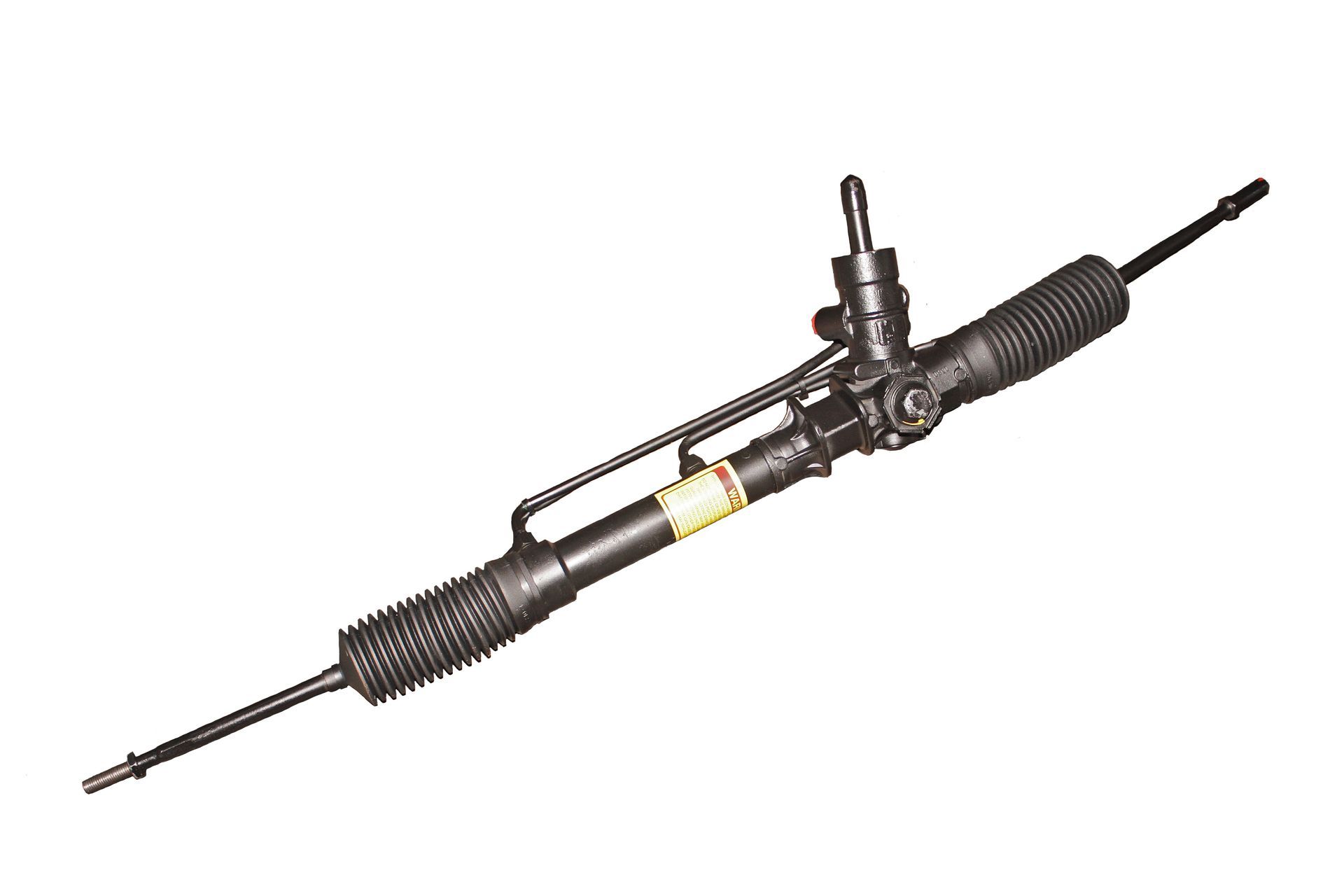
A suspension issue can make the steering feel less direct. The car may wander in the lane, follow grooves in the road, or need constant small corrections. After a pothole hit, the steering wheel may no longer sit straight.
That can come from alignment, tire pressure, tie rods, ball joints, worn bushings, bent parts, or struts that are no longer controlling movement well. It is easy to blame the tires first, and sometimes they are part of it. But tires often show the result of suspension wear, not the whole cause.
If the car feels nervous at speed, schedule an inspection before the tires start showing damage.
4. The Tires Are Wearing Unevenly
Tires tell the truth about what is happening underneath. Inside-edge wear can indicate alignment issues or worn suspension components. A cupped or choppy tread can come from weak shocks or struts, which let the tire bounce. Feathered tread can point toward toe alignment issues.
Uneven tire wear gets expensive because replacing tires alone does not address the cause of the wear. A new set can start wearing badly in the same pattern if the suspension or steering problem persists.
During regular maintenance, tire wear patterns are one of the quickest ways to catch suspension trouble early. If one tire looks different from the others, there is usually a reason.
5. The Car Dives, Leans, Or Feels Unsettled While Braking
The suspension and brakes work together more closely than many drivers realize. When you brake, the vehicle’s weight shifts forward. Some movement is normal, but a front end that dives hard can point to worn shocks or struts.
You may also feel the car lean too much in turns or shift around during quick lane changes. On rough pavement, braking may feel less stable because the tires are not staying planted evenly. That can make the car feel harder to trust, even if the brakes themselves are still doing their job.
Our technicians check the brakes, tires, steering, and suspension together because one symptom can involve more than one system.
Why Suspension Repair Helps Protect The Whole Vehicle
Worn suspension parts rarely stay isolated. A weak shock can damage tire wear. A loose bushing can affect alignment. A worn ball joint can make steering less precise. A bad strut mount can create noise and change how the front end feels.
Suspension repair is about restoring control, not just quieting a noise. If the vehicle feels bouncy, loose, noisy, or uneven, the smartest move is to find the worn part while the repair is still focused.
A car should not feel like it is arguing with the road.
Get Suspension Repair In Toms River, NJ, With PRO-CAT Auto Care & Repair
If your vehicle is clunking, bouncing, pulling, leaning, or wearing tires unevenly, PRO-CAT Auto Care & Repair in Toms River, NJ, can check the suspension, steering, shocks, struts, and related parts.
Schedule a visit and get the car back to a steadier, more controlled feel.