Coolant that keeps dropping can feel like a magic trick you did not ask for. You check the reservoir, top it off, and a week later, it is low again, with no obvious puddle where you park. In many cases, coolant is escaping in a way that does not leave an easy trail.
The goal is to figure out where it is going before the temperature gauge gives you a bad day.
Why Coolant Can Vanish Without A Puddle
Not every coolant leak drips straight to the ground. Many leaks only show up when the system is hot and pressurized, then slow down once the engine cools. If the coolant lands on a hot surface, it can evaporate before it ever reaches the driveway.
Coolant can also travel along engine surfaces and splash shields. That means the drip spot you see is not always the true source. A good check focuses on fresh residue and wetness patterns, not just where the first drip lands.
Leaks That Evaporate On Hot Parts
A small seep at a hose connection or plastic fitting can mist onto the engine and disappear as steam. You might notice a sweet smell after parking, especially after a longer drive, even if the reservoir is the only obvious clue. This is common near the front of the engine bay, where heat and airflow work together to hide evidence.
Another frequent culprit is a slow water pump seep. Some pumps start with a faint trail near the pump area, then the leak grows later. If you catch it early, you often avoid the bigger moment where the leak suddenly becomes constant.
The Cap, Pressure, And Overflow Path
The cooling system relies on pressure to raise the boiling point and keep temperatures stable. If the cap is weak or the seal is worn, the system can vent coolant as vapor or push coolant into the overflow path more easily. That can leave you chasing the level without ever seeing a wet spot.
This is one reason coolant levels can seem inconsistent from day to day. A small pressure issue can create a slow loss that looks like a leak. It is also why regular maintenance that includes checking the cap condition and coolant level can prevent repeat top-offs that never feel like they solve anything.
Hidden Leaks In The Heater Core Area
Some coolant loss happens where you will not see it outside the car. The heater core is inside the HVAC box, and if it leaks, the coolant may not drip onto the ground right away. Instead, you may notice a sweet smell inside the cabin, windows fogging more than usual, or dampness near the passenger-side floor.
Heater hose connections at the firewall can also seep only under pressure. Those leaks can leave crusty residue in the engine bay rather than a puddle. If the smell is strongest with the heater running, that is a detail worth mentioning.
Internal Coolant Loss And Warning Signs
Internal coolant loss is less common, but it matters because it can lead to overheating and engine damage if ignored. This can happen if coolant finds its way into the combustion, which may show up as persistent white exhaust smoke, rough starts, or coolant loss with no external traces. You might also notice the coolant level dropping faster than expected.
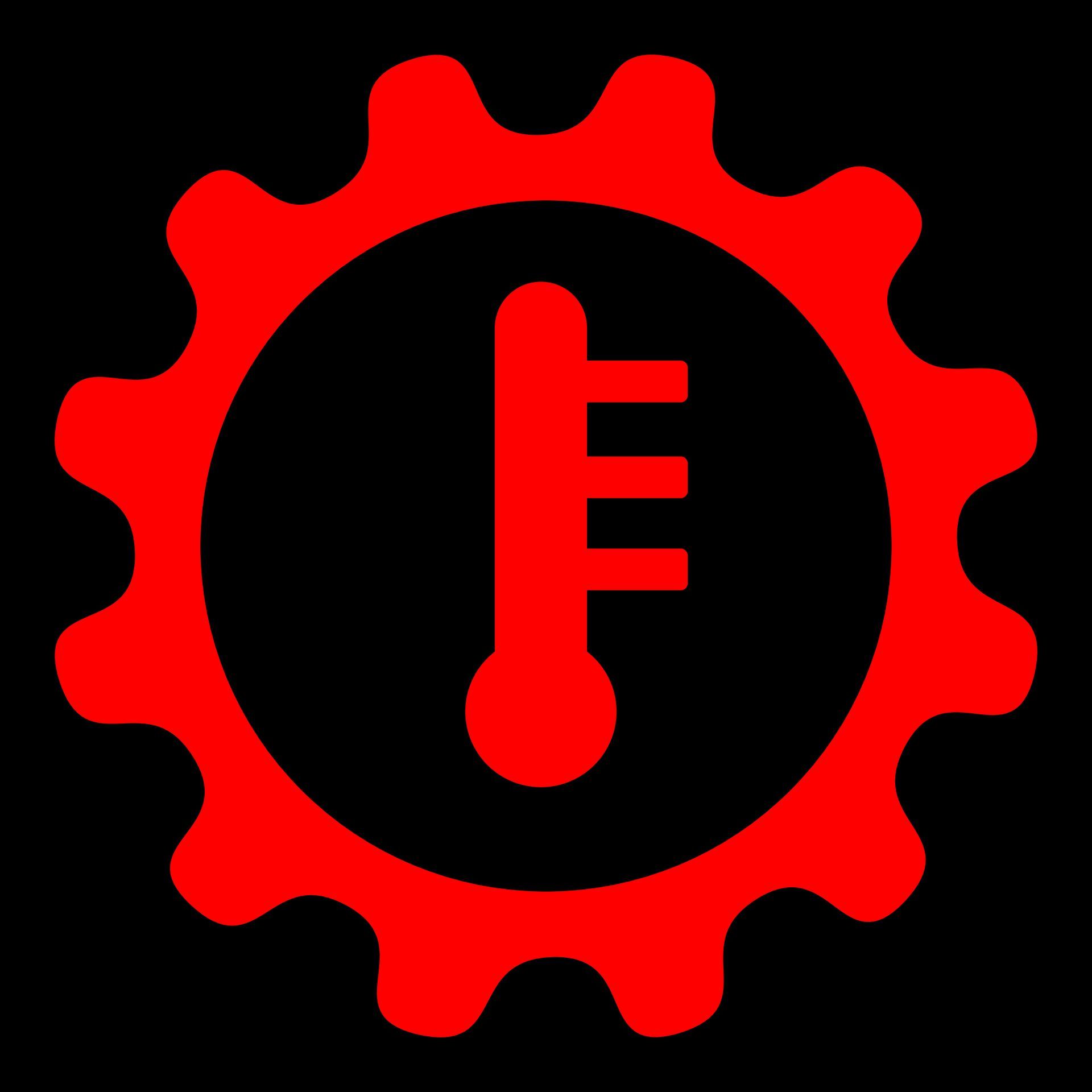
If the temperature gauge has climbed above its usual spot even once, take that seriously. Overheating is what turns a leak into a much bigger repair. The earlier you catch the pattern, the easier it usually is to keep the fix contained.
What To Check Before You Keep Topping Off
You do not need to take the car apart to gather helpful clues. Focus on repeatable observations and avoid pushing the car hard as a test. Checking the reservoir only when the engine is fully cool keeps the readings consistent.
Here are a few simple checks that help narrow it down:
- Check the coolant level cold, then recheck it cold again a couple days later
- Look for crusty residue around hose ends, radiator seams, and plastic fittings
- Notice whether the heater blows consistently hot at idle
- Pay attention to any sweet smell after shutdown or inside the cabin
Watch for temperature gauge changes in traffic or on hills
If you are adding coolant more than once, that is your sign to schedule a check. Topping off keeps you moving, but it also delays the moment you find the real source.
Get Cooling System Service In Toms River, NJ, With PRO-CAT Auto Care & Repair
PRO-CAT Auto Care & Repair in Toms River, NJ, can pressure-test the system, locate where the coolant is escaping, and recommend the most sensible fix based on what we find during an inspection. We will also let you know what is urgent and what can be planned, so you are not stuck topping off forever.
Book a visit before low coolant turns into an overheating surprise.