A check engine light deserves attention even when the car drives smoothly. Some faults affect fuel vapor controls, sensor circuits, or emissions performance long before they change the way the engine feels. An ordinary commute gives you little warning about those systems beyond the light itself.
Finding out what triggered the warning lets you plan the right repair. A small vapor leak and a developing fuel-mixture problem need different checks and have different consequences. Getting the stored information reviewed promptly is more useful than waiting until the engine begins running badly.
Why the Check Engine Light Comes On Without Rough Running
The vehicle's monitoring system checks whether important readings and emissions tests behave as expected. A circuit fault or failed monitor can trigger a warning even while the engine continues producing power smoothly.
Fuel vapor control is a good example. This system helps contain vapors from the tank and route them into the engine under controlled conditions. A leak or control problem can affect its operation without necessarily causing a noticeable hesitation.
Some vehicles use a fuel cap, while others use a capless filler. Check the owner's manual if the warning appeared after refueling. A properly secured cap is worth checking where fitted, but the stored code and testing determine what needs attention if the warning persists.
How Engine Controls Mask Early Symptoms
The computer adjusts fuel delivery and other operating settings in response to sensor information. Those corrections help maintain smooth running, so a system that has moved away from normal operation may still feel acceptable from the driver's seat.
As the correction reaches a limit, the monitoring system records a fault. You might notice extra fuel use later, or the symptoms might remain subtle. The warning gives the shop a reason to review the readings before the problem grows more obvious.
The warning gives the technician a chance to review those corrections before you notice a clear driving problem. Fuel readings, sensor signals, and the saved operating conditions help show which system needs checking. Your normal-feeling commute is a useful background alongside that information.
When to Act on a Check Engine Light
With a steady warning and normal operation, review the owner's manual and arrange a prompt appointment. Get advice about driving until the visit based on the stored fault and any other symptoms. Keep towing and hard acceleration out of the plan while the concern is being evaluated.
The situation changes if the light flashes. A flashing check engine light commonly indicates a serious active misfire that threatens the catalytic converter. Rough running, severe power loss, or a strong fuel smell also raises the urgency.
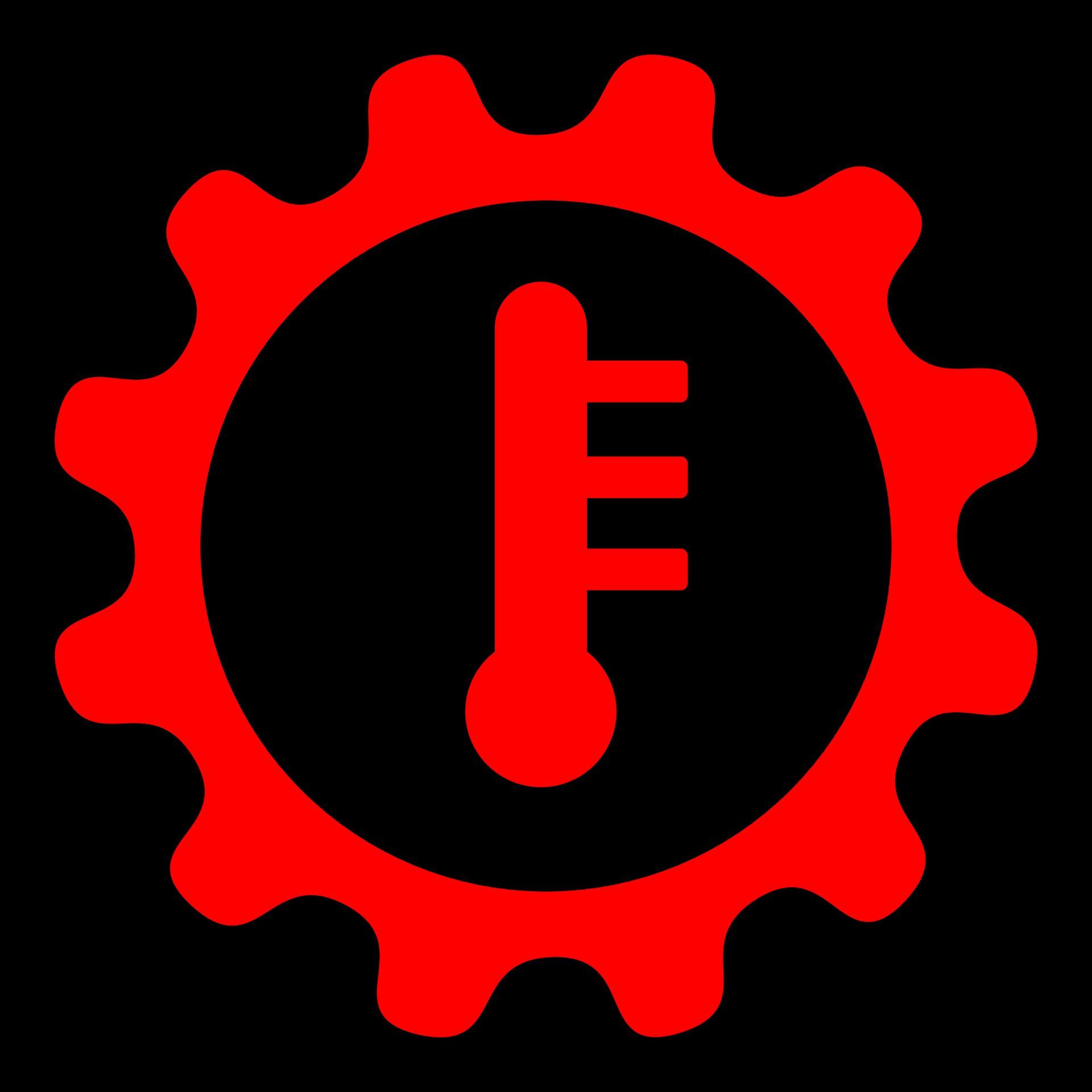
If those symptoms appear, stop safely and arrange help. Oil pressure and overheating warnings require their own immediate response too. The warning's color and behavior, plus how the vehicle is running, guide the next step.
How Engine Testing Finds the Fault
Reading the code is the start of the visit. The exact code helps identify the monitored condition, and stored operating details show what the vehicle was doing when it happened. Live readings then help the technician examine current operation.
A problem involving fuel mixture leads toward air and fuel checks. A circuit concern calls for checking wiring, connections, and electrical signals. A fault recorded only under particular conditions may require the vehicle to reach those conditions again during normal testing.
You should get a plain explanation of the failure and how the recommended work fixes it. If a sensor is named in a code, the technician checks its circuit and readings before replacing it. That step helps you avoid installing a new sensor while damaged wiring or another fault continues to trigger the warning.
Why Check Engine Light Codes Should Stay Stored
Leave the warning information stored until the appointment when possible. Clearing codes or disconnecting the battery resets useful data and emissions readiness checks. An intermittent concern can become harder to investigate after that information disappears.
Bring these details to your check engine light appointment:
- When the warning first appeared
- Any exact code numbers already recorded
- Whether the light stays steady or flashes
- Recent refueling or maintenance work
- Changes in fuel use
- Changes in starting, idle quality, or acceleration
Notice when the warning returns without trying to provoke it. Appearing after a highway trip or shortly after filling the tank gives the technician a useful condition to investigate. Leave the stored codes in place and bring any screenshots from an earlier scan.
Checking a Check Engine Light Repair
After the cause is repaired, the system needs checking again. That involves the readings and procedures connected to the original fault. Some emissions monitors complete only after particular temperature, speed, or other conditions are met.
Mention an approaching emissions inspection when you book. Clearing the light resets readiness checks, and the vehicle needs certain driving conditions before they finish again. Repairing the cause early gives you more time for that verification and avoids a rushed attempt to pass with incomplete monitors.
Keep the repair record and any instructions about follow-up monitoring. If the warning returns, the exact code and circumstances help show whether the original condition has reappeared or a separate fault has developed. A clear history makes the next conversation much easier.
Check Engine Light Service at PRO-CAT Auto Care & Repair
PRO-CAT Auto Care & Repair in Toms River, NJ, can review a check engine light even when your car feels normal. Share the timing, saved codes, and any subtle changes in starting or fuel use. We'll discuss engine testing and the next steps based on what the vehicle is reporting.
Schedule check engine light testing with
PRO-CAT Auto Care & Repair before the warning develops into a larger repair.