Steering rack boots do not get much attention until one tears, but they play an important role in protecting the steering rack. These flexible boots sit at each end of the rack and help keep dirt, water, and road debris away from the inner tie rods and rack components.
A damaged boot does not always mean the steering rack itself needs replacement. In many cases, replacing the boot early can protect the existing steering components and prevent contamination from causing more expensive wear later.
What Steering Rack Boots Actually Do
The steering rack converts steering wheel movement into side-to-side motion that turns the front wheels. At each end of the rack, the inner tie rod moves in and out as the wheels steer. The rack boot flexes with that movement while helping seal the area from outside contamination.
Without the boot, road grit and moisture can reach surfaces that were never meant to be exposed. Dirt can work its way around the inner tie rod, and water can contribute to corrosion. On some steering racks, the boot also helps protect the polished rack shaft and nearby seals from contamination.
Replace a Boot When It Is Torn or Split
A visible tear is one of the clearest reasons to replace a steering rack boot. Even a small opening can allow water and grit inside, especially if the vehicle is driven through rain, snow, dirt, or standing water.
The boot should also be replaced if it has split around one of its folds or pulled away from the rack housing. Once the seal is no longer intact, leaving it in place provides very little protection. The sooner the damage is corrected, the better the chance that the parts underneath are still in usable condition.
Cracking and Hardening Are Early Warning Signs
A rack boot does not have to be completely torn to be nearing the end of its life. Heat, age, road salt, oil contamination, and repeated flexing can cause the material to dry out and lose flexibility.
Small surface cracks around the folds deserve attention because those are the areas that bend every time the steering wheel turns. A boot that feels unusually stiff or brittle may split soon, even if it still appears sealed during a quick visual check.
Oil or Fluid Inside the Boot Needs Investigation
Finding fluid inside a steering rack boot can be more serious than finding a tear. On a hydraulic steering rack, power steering fluid inside the boot may indicate that an internal rack seal is leaking.
The boot is not designed to repair or contain an internal hydraulic leak. Replacing the boot alone in that situation will not solve the underlying problem. The rack needs to be inspected to determine whether the leak is coming from an internal seal, a nearby hose, or another component.
Electric power steering racks do not use hydraulic fluid in the same way, but moisture or heavy contamination inside the boot can still damage internal and mechanical components. The cause should be identified before a new boot is installed.
Check the Inner Tie Rod While the Boot Is Off
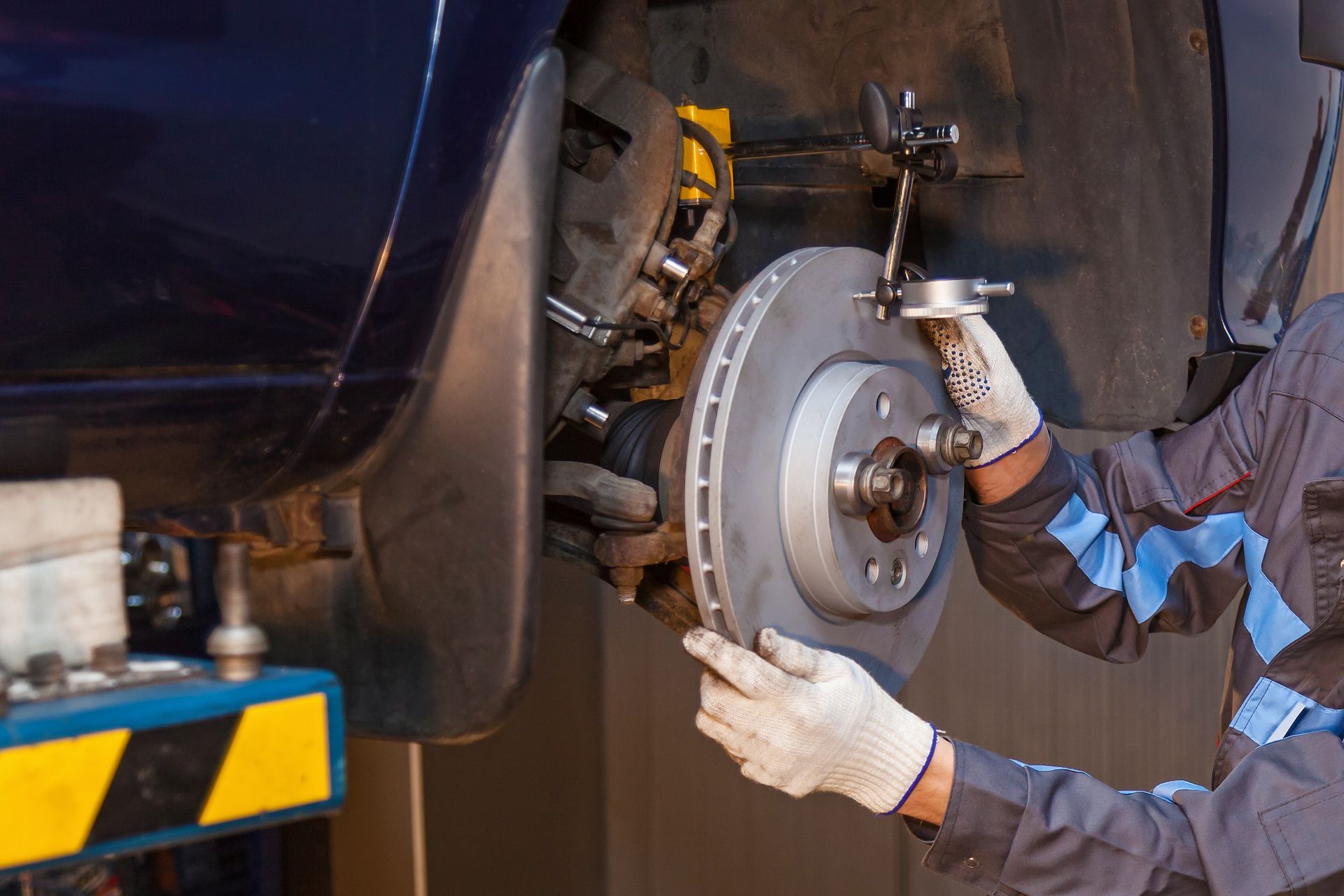
When a damaged rack boot is removed, it is a good opportunity to inspect the inner tie rod. This joint is normally hidden inside the boot and is difficult to evaluate visually with everything assembled.
Technicians check for looseness, corrosion, binding, and other signs of wear. If the joint has been exposed to dirt and water for a long time, replacing only the boot may not be enough. A worn inner tie rod should be addressed before installing a new boot.
Common signs of steering-related wear can include:
- Looseness in the steering
- Clunking over bumps
- Uneven front tire wear
- Steering that feels less precise
- A wheel alignment that will not stay within specification
These symptoms can come from several suspension and steering components, so an inspection is needed before deciding which part is responsible.
A Damaged Boot Can Affect Wheel Alignment Indirectly
The boot itself does not set wheel alignment angles, so a torn boot will not immediately knock the vehicle out of alignment. The concern is what may happen if contamination damages the inner tie rod or steering rack over time.
Wear in an inner tie rod can create unwanted movement at the wheel. That can affect toe settings and cause uneven tire wear or unstable steering. Replacing a torn boot before the protected joint wears out can help avoid that chain of problems.
Boot Replacement Often Requires Alignment Work
Replacing a steering rack boot may require removing the outer tie rod end or disturbing components that influence toe alignment. Even when careful measurements are taken during disassembly, a wheel alignment is often a sensible final step.
Proper toe adjustment helps keep the steering wheel centered and reduces unnecessary tire wear. If an inner or outer tie rod is replaced at the same time, an alignment becomes even more important because the effective length of the steering linkage has changed.
Do Not Ignore Oil Contamination on the Outside
Engine oil, power steering fluid, and other petroleum-based fluids can shorten the life of some rubber steering boots. A leak from above may coat the boot and cause it to soften, swell, or deteriorate prematurely.
If a boot is damaged by contamination, replacing it without repairing the leak may lead to the same problem again. During regular maintenance, an inspection can reveal both the deteriorated boot and the fluid source that caused it.
How Often Should Steering Rack Boots Be Checked?
There is usually no fixed mileage interval for steering rack boot replacement. They are condition-based parts and may last many years when protected from damage and contamination.
Having them checked during tire, suspension, steering, or alignment service is a practical approach. Vehicles exposed to rough roads, road salt, debris, or frequent underbody impacts may need closer attention because those conditions can damage the boots sooner.
Get Steering Rack Boot Inspection in Toms River, NJ, With PRO-CAT Auto Care & Repair
PRO-CAT Auto Care & Repair in Toms River, NJ, can inspect steering rack boots, inner and outer tie rods, steering rack condition, and related front suspension components.
If you have noticed a torn boot, steering looseness, fluid near the rack, or unusual tire wear,
contact us to schedule service.